
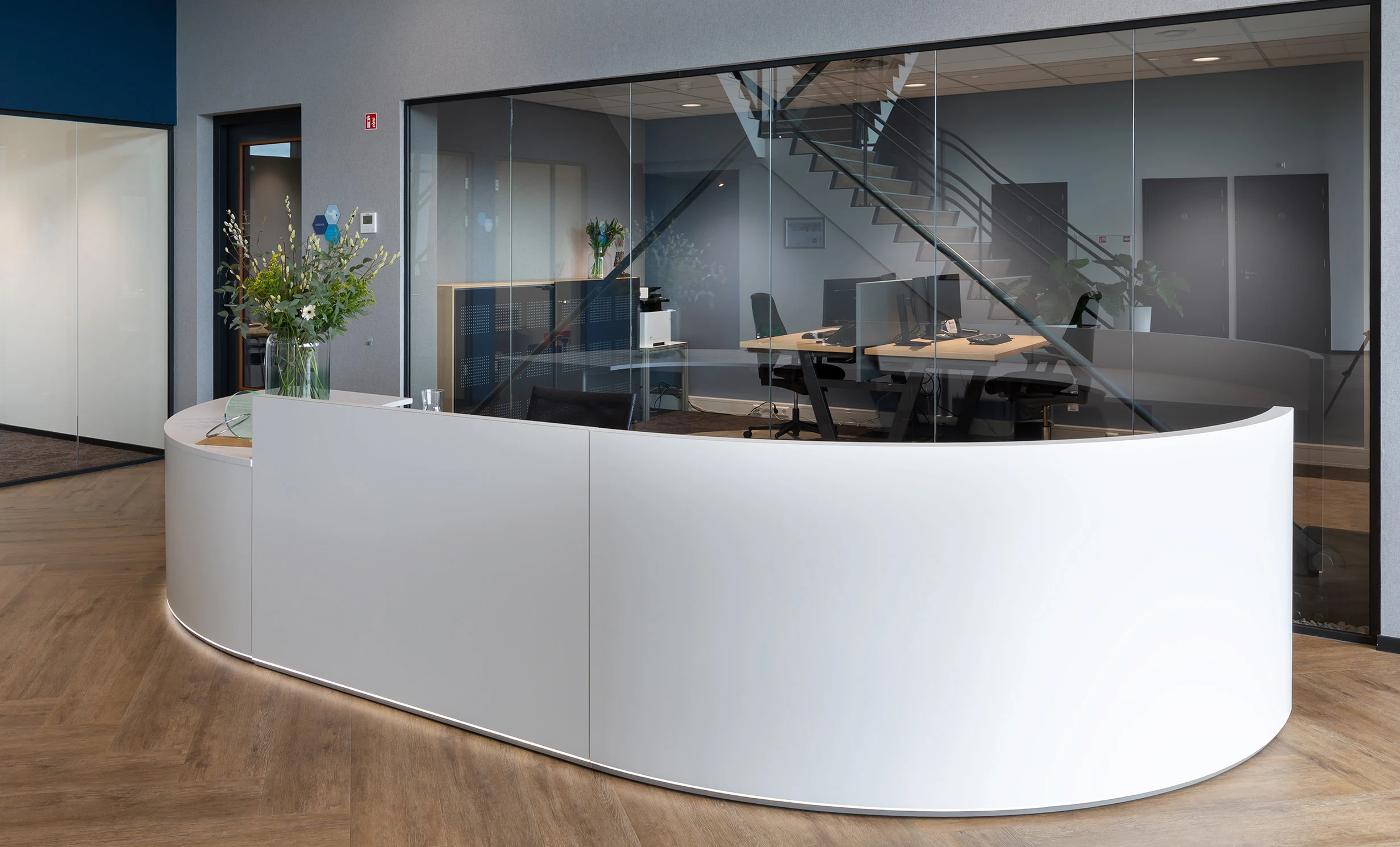
Creating a modern workplace that feels comfortable, functional, and ready for people to use requires much more than fresh paint and a few desks. This is where the concept of an office fit out comes in. The term is used constantly in property, construction, and design conversations, yet many people are not entirely sure what it means or what actually happens during one. Understanding it properly helps organisations plan projects with confidence, set expectations, and get better results.
This guide explains the full picture. It breaks down the different types of office fit out, the stages involved, the professionals who manage the work, and the considerations that shape a high performing workplace. Think of it as a clear, practical reference point for anyone about to refurbish or move into a new office in Ireland.
Key takeaways
- An office fit out prepares a commercial space for people to work in, transforming an empty or unfinished building into a usable office.
- There are several types of office fit out, including shell and core, Category A Office Fit Out, and Category B Office Fit Out, each representing a different stage of readiness.
- The process usually involves planning, design, technical installation, furniture selection, and final finishing.
- Good office fit out design relies on workplace strategy, sustainability, comfort, acoustics, and technology integration.
- Timelines and budgets vary depending on size, complexity, and building condition.
- Office fit out contractors, design and build specialists, and internal workplace leads all play a part in delivering a successful project.

Understanding What an Office Fit Out Actually Is
An office fit out is the process of taking an interior space and preparing it for people to use. The goal is to turn a bare, empty, or partially completed environment into a fully functional workplace where a team can move in and start working straight away. Although it often goes hand in hand with design and refurbishment, an office fit out is its own distinct discipline.
How an office fit out differs from renovation and refurbishment
Many people mix up these terms, and the confusion is understandable. A renovation usually involves repairs or upgrades to improve existing conditions. A refurbishment focuses more on refreshing aesthetics, updating layouts, or modernising specific areas.
An office fit out is broader. It can include structural changes, building services, partitioning, flooring, joinery, data cabling, furniture, and every element needed to make the space operational. The work might start from a concrete shell or from a landlord’s basic specification, depending on the building.

The main stages involved
Every office fit out follows a progression of stages. These usually include:
- Understanding the client’s workplace needs
- Developing layouts and concept designs
- Producing technical drawings and specifications
- Installing mechanical, electrical, and technology systems
- Completing partitions, floors, ceilings, and joinery
- Adding furniture, acoustic treatments, signage, and décor
- Quality checks, handover, and move-in support
- Although the sequence sounds linear, many stages run in parallel to keep the project efficient.
Why clear definitions matter for project planning
Knowing exactly what your building provides and what you need to add helps avoid misunderstandings and budget surprises. When a landlord offers a Category A space, for instance, you still need to complete the Category B office fit out before your team can actually occupy it. Clear language sets expectations and makes it easier to compare quotes or appoint the right project partner.
The Different Types of Office Fit Out
Office fit outs are grouped into several categories. Each category represents a different level of readiness and dictates what sort of work is required.
Shell and core
This is the most raw stage. The structure is complete, but internal areas are unfinished. You may see exposed concrete floors, no lighting, incomplete services, and empty risers. The tenant needs to carry out every element of the interior build.
Category A Office Fit Out
A Cat A office fit out is the standard “landlord-ready” condition. It often includes raised access floors, suspended ceilings, basic lighting, fire detection systems, and painted walls.
If you want to see more about what goes into early-stage design work, you can read about design services
Category B Office Fit Out
Cat B is the tenant’s office fit out. It takes the Cat A shell and transforms it into a functional office tailored to the organisation. This includes layout planning, rooms, flooring, bespoke joinery, furniture, fittings, décor, technology, and everything else needed for day-to-day work.
Hybrid or staged approaches
Some projects blur the lines. You may move into a Cat A space and complete a partial Cat B office fit out for the first phase before finishing the rest later. In multi-floor offices, organisations often complete the fit out in stages to reduce disruption.
What Happens During an Office Fit Out?
Every project is unique, but most follow a similar workflow.
Initial briefing and workplace strategy
Before any drawings appear, the project team gathers information. They explore how the business operates, how many people it supports, what activities take place, and how teams plan to collaborate. This stage shapes the layout and ensures the office fit out supports productivity rather than resisting it.
Space planning and design development
Once the brief is clear, designers begin creating scale plans that show where different zones should sit. These might include focus desks, collaborative areas, meeting rooms, quiet spaces, kitchen areas, and storage.
After this, concept design work begins. This is where colours, materials, textures, lighting ideas, and furniture directions start to take shape. Many companies, including iGate Interiors, use 3D tools and VR walkthroughs to help clients visualise their future workspace before work begins.
Mechanical, electrical, and data installation
Behind every comfortable workplace sits a network of technical systems. Office fit out teams install:
- Electrical wiring
- Lighting
- Power distribution
- Heating and cooling
- Ventilation
- Fire alarms
- Data cabling
- AV equipment
These systems must comply with Irish building regulations and must be coordinated carefully to avoid clashes with ceiling features, furniture, or acoustic elements.
Furniture, finishes, and final detailing
Once the heavy work is complete, the furniture arrives. Desks, chairs, meeting tables, storage, sofas, and collaborative pieces all contribute to how people feel and behave in the space. Finishes such as flooring, wall treatments, branded graphics, planting, and acoustic panels bring personality and comfort. This final stage is where the workplace starts to look like a real office rather than a construction site.
Office Fit Out Design Considerations for Modern Workplaces
A good office fit out is not only functional. It must support wellbeing, productivity, and a positive culture.
Layouts that support different workstyles
Modern teams use space in varied ways. Some roles require focused desk work, while others benefit from collaboration. Many organisations also factor in hybrid working. Office fit out design therefore often includes a mix of:
- Open desks
- Phone booths
- Quiet rooms
- Informal breakout areas
- Collaboration tables
- Training rooms
- Social spaces
Acoustics, lighting, and comfort
A workplace cannot function well if it is loud, dark, or uncomfortable. Acoustic treatments reduce distractions. Natural light boosts wellbeing. Adjustable lighting allows teams to work comfortably throughout the day. Ventilation and temperature control ensure the environment stays pleasant year-round.
Technology integration
Technology underpins nearly every business function. Office fit out teams think carefully about power, data, AV points, Wi-Fi coverage, charging zones, screens, and meeting room technology. Planning these elements early avoids messy retrofits later.
Sustainability and material choices
With more companies aiming to reduce environmental impact, sustainable office fit out design is becoming standard. This can include:
- Low-VOC paints
- Recycled materials
- Energy-efficient lighting
- Furniture with long lifespans
- Responsible waste management
- Adaptive reuse of existing elements
A sustainable approach often reduces ongoing running costs as well as environmental impact.
How Long Does an Office Fit Out Take?
Office fit out timelines vary widely. A small office fit out might take several weeks, while a large multi-floor building can run for several months. The biggest factors that influence timelines include:
- Size of space
- Complexity of design
- Extent of mechanical and electrical work
- Lead times on materials and furniture
- Building access restrictions
- Whether the workspace is occupied during works
Good planning helps prevent delays. When clients appoint one design and build partner, timelines are often more predictable because all work sits under one coordinated team.
Who Manages an Office Fit Out?
Office fit outs involve several professionals working together with the client’s internal team.
The role of an office fit out contractor
The contractor is responsible for delivering the physical build. They manage construction teams, organise subcontractors, maintain site safety, and ensure work meets specifications. They also coordinate inspections and testing, especially for critical systems like fire safety and electrical works.
When a design and build partner helps
Some organisations prefer a single partner who manages both the design and construction elements. This is the design and build model. Companies such as iGate Interiors offer this approach, providing design expertise, technical coordination, and on-site delivery in one package. It reduces handovers and streamlines decision-making.
How internal stakeholders contribute
Clients also play a role. Senior leaders set strategic priorities. HR teams guide workplace culture needs. IT teams handle technology integration. Facilities teams support maintenance planning. Good communication with all internal stakeholders keeps the project aligned.
Budgeting and Planning Your Office Fit Out
A professionally managed office fit out helps avoid surprises and keeps budgets under control. Understanding the key cost drivers can help with early planning.
Elements that most commonly affect cost
- Mechanical and electrical work
- Joinery and partitions
- Specialist meeting rooms
- Acoustic treatments
- AV systems
- Furniture specification
- Finishes and décor
- Programme length and on-site labour
High-quality furniture often has a longer lifespan, which improves value even if upfront costs are slightly higher.
Creating a realistic project brief
- Clear information helps your project team produce accurate designs and quotes. A strong brief includes:
- Current team size and future growth
- Working patterns
- Cultural priorities
- Storage requirements
- Technology expectations
- Branding needs
- Privacy and collaboration balance
The more detail provided early on, the smoother the project runs.
Hidden items teams often overlook
- Some costs do not immediately spring to mind. These might include:
- Fire stopping
- Relocation of existing systems
- Specialist cleaning before occupancy
- Out-of-hours work
- Additional security requirements
- Temporary furniture during move-in
Discussing these points during planning prevents last-minute adjustments.
FAQs
What exactly does an office fit out include?
An office fit out covers everything needed to turn an empty or basic interior into a functional workspace, including layouts, services, partitions, furniture, finishes, technology, and final detailing.
Is an office fit out the same as a refurbishment?
Not quite. A refurbishment updates an existing space. An office fit out prepares a space to be used, sometimes from a completely blank starting point.
Do I need a Cat A or Cat B office fit out?
It depends on what your landlord provides. If your space is already in Cat A condition, you will usually need a Cat B office fit out to make it suitable for your team.
How do I choose an office fit out contractor?
Look for a company with strong experience, clear communication, transparent pricing, and a track record of delivering similar projects. Local knowledge of Irish regulations is also useful.
Can we stay in our office during an office fit out?
It is possible, but only for certain types of work. Many organisations prefer phased works or temporary space to minimise disruption.