
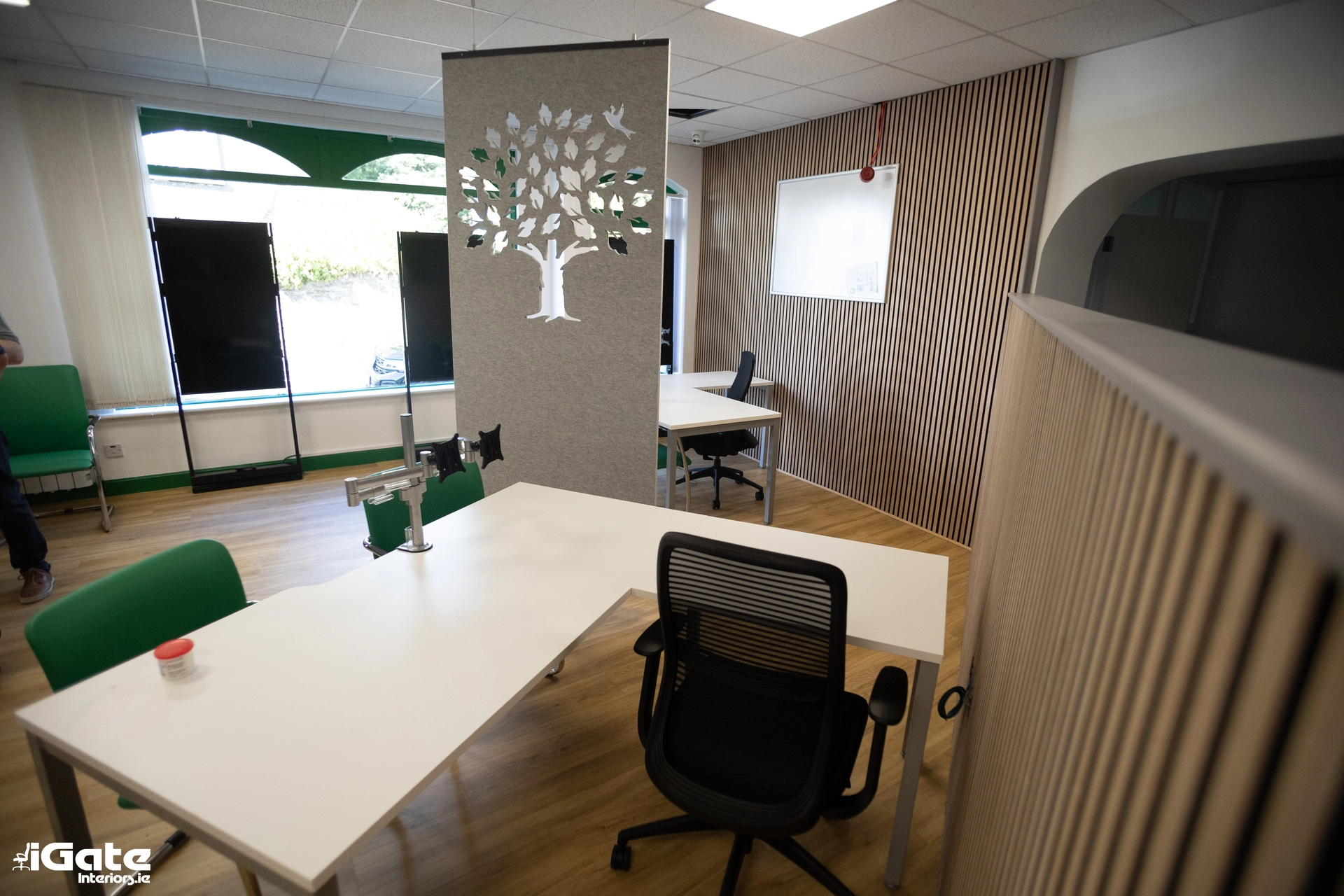
Acoustic wall panels are becoming a familiar feature in modern offices. As open plan layouts, collaborative working, and hybrid meetings become the norm, noise has emerged as one of the most persistent workplace challenges. Conversations overlap, phone calls travel across the floor, and even modest sound levels can feel tiring over the course of a day.
This has led many businesses to ask whether acoustic wall panels are genuinely worth the investment or whether they are simply a design trend. The short answer is that, when used correctly, they can make a noticeable difference. The longer answer depends on how your office is laid out, how it is used, and what problems you are trying to solve.
This article takes a detailed look at what acoustic wall panels do, where they work best, and how to decide whether they are the right choice for your workplace.
Key takeaways
- Acoustic wall panels absorb sound within a space rather than blocking noise entirely
- They reduce echo, improve speech clarity, and create calmer working environments
- Open plan offices, meeting rooms, and breakout spaces benefit the most
- Good acoustics support wellbeing, focus, and productivity
- Acoustic wall panels work best as part of a wider acoustic strategy

What are acoustic wall panels and how do they work?
Acoustic wall panels are purpose built surfaces designed to manage sound within a room. Unlike standard walls or decorative finishes, they are engineered to absorb sound energy and prevent it from bouncing back into the space.
The basics of sound absorption vs soundproofing
Sound absorption and soundproofing are often confused, but they address very different problems. Soundproofing focuses on preventing noise from travelling between rooms, which usually requires dense materials, sealed construction, and structural intervention.
Acoustic wall panels, by contrast, improve how sound behaves inside a space. They reduce reverberation, soften background noise, and improve clarity without isolating the room. For most offices, sound absorption is far more relevant than full soundproofing.

Common materials used in acoustic wall panels
Acoustic wall panels are made from materials specifically chosen for their ability to absorb sound rather than reflect it. Common options include recycled PET felt, fabric wrapped mineral wool, foam based cores, and timber slat systems with acoustic backing.
These materials are often selected not only for performance, but also for sustainability, fire ratings, and visual finish, allowing panels to meet both technical and design requirements.
How panels reduce echo and background noise
In offices with hard surfaces, sound reflects repeatedly around the room. This creates echo and a general build up of noise that makes the space feel louder than it actually is.
Acoustic wall panels absorb a portion of that sound energy each time it hits the surface. Over time, this significantly reduces reverberation, making speech clearer and the overall environment more comfortable.
Why noise is a growing problem in modern offices
Noise has become more noticeable as office design has evolved.
Open plan layouts and collaborative working
Open plan offices remove many of the physical barriers that once contained sound. While this encourages collaboration and flexibility, it also allows conversations, phone calls, and movement noise to spread across large areas.
Without acoustic control, even well intentioned collaboration can quickly become disruptive.
The impact of noise on concentration and productivity
Noise affects concentration even when it is not consciously distracting. Background conversations and intermittent sounds interrupt thought processes and make focused work more difficult.
Over time, this can lead to mental fatigue, reduced accuracy, and a greater sense of stress, particularly in roles that require sustained concentration.
Common noise complaints in offices
Typical issues raised by employees include:
- Difficulty concentrating on detailed tasks
- Meetings that feel echoey or hard to follow
- Distractions from nearby teams or walkways
- Spaces that feel noisy even when occupancy is low
- These complaints often prompt businesses to review their acoustic strategy.
The benefits of acoustic wall panels in the workplace
Acoustic wall panels address many of these challenges when installed as part of a considered design.
Improved speech clarity and communication
By reducing echo and reverberation, acoustic wall panels make speech clearer and easier to understand. This is particularly valuable in meeting rooms, collaboration zones, and spaces used for presentations or video calls.
Clearer speech also reduces the need for raised voices, which helps keep overall noise levels down.
Better focus and reduced distractions
Lower background noise allows people to concentrate more effectively. Tasks that require attention and accuracy become less tiring, and employees are less likely to be distracted by conversations happening nearby.
This can have a noticeable impact on day to day productivity.
Supporting wellbeing and reduced stress
Constant noise contributes to cognitive overload and stress. A quieter, more balanced acoustic environment helps employees feel calmer and more comfortable throughout the working day.
This is especially important in busy offices where people spend long periods at their desks.
Enhancing the look and feel of an office
Modern acoustic wall panels are designed to be visually appealing as well as functional. They can add colour, texture, and structure to a space, helping to soften large walls and create visual interest.
Rather than feeling like an add on, well designed panels often become a feature of the interior.
Where acoustic wall panels work best
Some areas of the office see greater benefits than others.
Phone booths and quiet zones
Phone booths and quiet zones rely on good acoustics to function properly. Panels help reduce echo and improve sound quality inside these spaces, making them more effective for calls and focused work.
Open plan offices
Open plan environments benefit significantly from acoustic wall panels. Panels help absorb sound across large areas, reducing overall noise levels and creating a more comfortable shared workspace.
They are particularly effective when placed near collaboration zones or high traffic areas.
Meeting rooms and boardrooms
Meeting rooms often contain glass walls, screens, and hard surfaces that reflect sound. Acoustic wall panels improve clarity, reduce echo, and make meetings more comfortable for everyone involved.
This is especially important for hybrid meetings where sound quality affects remote participants.
Breakout spaces and canteens
Breakout spaces are designed for conversation and relaxation, but without acoustic treatment they can quickly become overwhelming. Panels help manage noise while still allowing these spaces to feel lively and social.
They also prevent noise spilling into nearby work areas.
Reception areas and client facing spaces
Reception areas set the tone for visitors. Excessive noise can feel chaotic and unprofessional. Acoustic wall panels help create a calmer atmosphere and improve communication at reception desks.
Are acoustic wall panels worth the cost?
Value is often the deciding factor.
Typical costs and what affects pricing
- The cost of acoustic wall panels depends on several factors, including:
- Panel size and thickness
- Material and finish
- Custom design requirements
- Installation method
- Standard panels offer an affordable solution, while bespoke designs come at a higher price point.
Short term spend vs long term value
Although acoustic wall panels require upfront investment, they are durable and long lasting. Once installed, they require little maintenance and continue to perform for many years.
Viewed over time, the cost is often modest compared to the benefits they deliver.
Productivity gains and employee satisfaction
Improved focus, reduced stress, and better communication all contribute to a more positive working environment. These factors can support productivity and employee retention, adding indirect value beyond the physical office fit out.
When acoustic panels may not be necessary
Acoustic wall panels for smaller offices or spaces with plenty of soft furnishings, additional panels may provide limited benefit. An acoustic assessment helps identify whether panels are needed and where they will be most effective.
Acoustic wall panels compared to other noise control solutions
Panels are rarely used in isolation.
Acoustic ceiling rafts and baffles
Ceiling solutions absorb sound from above and are particularly effective in large open spaces. They work well alongside wall panels to provide balanced acoustic coverage.
Soft furnishings and flooring
Carpets, curtains, and upholstered furniture naturally absorb sound. These elements can reduce echo and may reduce the number of panels required.
Meeting booths and enclosed spaces
Meeting booths provide enclosed spaces for calls and focused work. They complement acoustic wall panels by offering privacy and containment where needed.
Why acoustic wall panels are often part of a wider acoustic strategy
The most successful acoustic designs consider layout, materials, furniture, and how spaces are used. Acoustic wall panels are one component of a broader approach rather than a standalone fix.
Design considerations when choosing acoustic wall panels
Design plays a major role in successful installations.
Colour, shape, and visual impact
Panels are available in a wide range of colours, shapes, and patterns. They can be used to create subtle backgrounds or bold feature walls depending on the desired aesthetic.
Brand integration and custom designs
Many organisations use acoustic panels to reflect brand colours or incorporate bespoke patterns, helping reinforce identity within the workspace.
Balancing performance with aesthetics
Highly absorbent materials may not always suit every interior. The best solutions balance acoustic performance with visual appeal and overall design intent.
Maintenance and durability
Most acoustic wall panels are robust and easy to maintain. Occasional cleaning is usually sufficient to keep them looking and performing well.
Do acoustic wall panels suit every office?
Acoustic needs vary between workplaces.
Small offices vs large corporate spaces
Large, open offices benefit most from acoustic wall panels due to higher noise levels and shared spaces. Smaller offices may require fewer panels or alternative solutions.
Hybrid working environments
With video calls now central to daily work, good acoustics are more important than ever. Panels help improve sound quality for both in person and remote communication.
Heritage or design led interiors
In heritage or design sensitive spaces, discreet or custom acoustic solutions may be required to protect the character of the interior.
Final thoughts: are acoustic wall panels worth it?
For most modern offices, acoustic wall panels are a worthwhile investment. They address a genuine workplace challenge, support comfort and wellbeing, and improve how spaces are used on a daily basis. When integrated thoughtfully into a wider acoustic strategy, they deliver long term value rather than a cosmetic fix.
FAQs about acoustic wall panels
Do acoustic wall panels really reduce noise?
They reduce echo and reverberation, making spaces feel quieter and more comfortable without blocking sound entirely.
How many acoustic panels does an office need?
This depends on room size, layout, and surface materials. An acoustic assessment helps determine the right quantity.
Are acoustic wall panels expensive to maintain?
No. Most panels require minimal maintenance and retain their performance over many years.
Can acoustic wall panels be retrofitted?
Yes. Panels can be installed in existing offices with minimal disruption.
Do acoustic wall panels improve productivity?
By reducing distractions and supporting focus, they can contribute to improved productivity and employee satisfaction.