
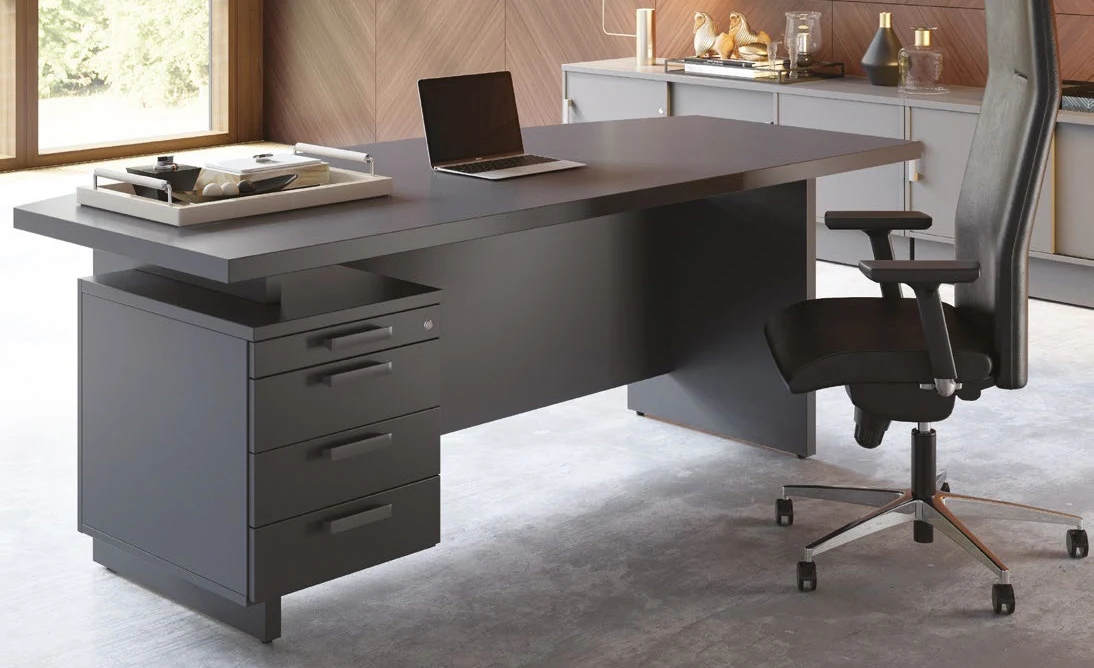
The 3-5-7 rule is one of those interior design principles that sounds almost too simple, yet consistently delivers strong results. Designers use it to create balance, visual interest, and a sense of ease within a space. At its core, the rule is about grouping objects in odd numbers, usually sets of 3, 5, or 7, rather than even numbers.
In interior design, especially within offices and commercial environments, the 3-5-7 rule helps spaces feel more natural and less staged. Whether applied to furniture layouts, decorative accessories, or visual elements like lighting and artwork, the 3-5-7 rule is a reliable way to make interiors feel considered without feeling overdesigned.
This article explains what the 3-5-7 rule is, why it works so well, and how it can be applied in both residential and office interiors.
Key takeaways
- The 3-5-7 rule uses odd numbers to create visual balance
- Odd groupings feel more natural and engaging than even numbers
- The rule works across furniture, accessories, lighting, and layout
- It is particularly effective in office and commercial interiors
- The rule should guide design decisions, not restrict them

Understanding the 3-5-7 rule in interior design
What the 3-5-7 rule actually means
The 3-5-7 rule refers to grouping items in sets of 3, 5, or 7 rather than pairs or even groupings. In practice, this might mean arranging 3 chairs around a small meeting table, styling a shelf with 5 decorative objects, or hanging 7 framed prints along a wall.
Odd numbers naturally create asymmetry, which the human eye tends to find more interesting. Even numbers often feel formal or static, while odd numbers introduce movement and visual flow. This is why a space styled with odd groupings often feels more relaxed and inviting.
In interior design, the 3-5-7 rule is not about strict counting. It is a guiding principle that helps designers avoid layouts that feel rigid or overly symmetrical.

Where the rule comes from and why designers use it
The origins of the 3-5-7 rule can be traced back to broader design and art principles. Painters, photographers, and architects have long relied on odd-numbered compositions to guide the viewer’s eye and create visual harmony.
Interior designers adopted this principle because it works so consistently across different types of spaces. Whether designing a home, a breakout area, or a full commercial office fit out odd-numbered groupings help spaces feel balanced without feeling predictable.
Designers also use the rule because it is flexible. It can be applied subtly or boldly, depending on the space and the brief, making it suitable for both minimal and highly expressive interiors.
Why the 3-5-7 rule works so well
How odd numbers create visual balance
Odd numbers encourage the eye to move across a space rather than settle in the middle. When objects are grouped in even numbers, the brain often splits the grouping into pairs, which can feel static or overly deliberate.
With odd numbers, there is always a central point with supporting elements around it. This creates a natural focal point and a sense of balance that feels informal rather than forced. In interior design, this is particularly useful in spaces that need to feel comfortable and human, such as offices, lounges, and collaborative areas.
The 3-5-7 rule also helps prevent visual clutter. Grouping items thoughtfully, rather than scattering them evenly, creates clearer zones and stronger visual impact.
The psychology behind grouped design elements
From a psychological perspective, people tend to engage more with spaces that feel organic rather than overly structured. Odd-numbered groupings introduce just enough variation to keep the brain engaged without causing confusion.
In workspaces, this can have a subtle but meaningful effect. Environments that feel balanced and visually pleasing support focus and reduce cognitive fatigue. This is one reason why office design that follows principles like the 3-5-7 rule often feels calmer and more productive.
When applied correctly, the rule supports both aesthetics and wellbeing, which is increasingly important in modern workplace design.
Applying the 3-5-7 rule in real spaces
Using the 3-5-7 rule in residential interiors
In residential settings, the 3-5-7 rule is often used in styling and layout decisions. Coffee tables might be styled with 3 decorative items of varying heights. A sofa could be paired with 5 cushions rather than 4, creating a more relaxed and layered look.
Shelving is another area where the rule works particularly well. Grouping books, plants, and decorative pieces in odd numbers prevents shelves from feeling overly symmetrical or staged.
The key in residential design is subtlety. The rule should guide decisions rather than dominate them, allowing the space to feel lived in and personal.
Applying the rule in commercial and office design
In commercial interiors, the 3-5-7 rule is often applied at a larger scale. Seating layouts, lighting arrangements, and even spatial zoning can benefit from odd-numbered groupings.
For example, a breakout area might feature 3 seating clusters rather than 2, creating better flow and more flexibility. A wall might display 5 acoustic panels rather than an even grid, softening the visual impact while still achieving functional goals.
Office interiors benefit particularly from this approach because it balances professionalism with comfort. Spaces feel designed but not corporate, structured but not rigid.
The 3-5-7 rule in office interior design
Improving focus and flow in the workplace
Office environments need to support concentration while also allowing movement and interaction. The 3-5-7 rule helps achieve this balance by creating layouts that guide people naturally through a space.
For example, arranging workstations in groups of 3 can create small team zones without isolating individuals. In circulation areas, grouping visual elements such as planters or lighting features in odd numbers helps guide movement without the need for signage or barriers.
This approach works particularly well when combined with thoughtful space planning and layout design.
Supporting collaboration and wellbeing through layout
Collaboration spaces often benefit most from the 3-5-7 rule. Meeting areas with 5 chairs feel more flexible and inclusive than rigid boardroom layouts. Informal seating arranged in groups of 3 encourages conversation without overwhelming the space.
From a wellbeing perspective, these layouts feel less formal and more human. They encourage movement, interaction, and comfort, all of which contribute to a healthier workplace environment.
Designers working on office interiors in Dublin and beyond often rely on these principles to create spaces that support both productivity and wellbeing. At iGate Interiors, these design fundamentals are commonly used alongside VR previews and space planning to help clients visualise how layouts will feel before implementation.
Examples of the 3-5-7 rule in action
Furniture groupings and layout planning
Furniture is one of the easiest ways to apply the 3-5-7 rule. In offices, this might mean grouping desks in sets of 3 rather than long rows, or arranging soft seating in clusters of 5 to encourage informal meetings.
Reception areas also benefit from odd-numbered furniture arrangements. A seating area with 3 chairs and a coffee table feels more welcoming than a symmetrical pair of chairs facing each other.
In larger spaces, the rule can scale up. For example, 7 work pods or booths can create rhythm and structure without feeling repetitive.
Accessories, artwork, and visual styling
Accessories and artwork offer plenty of opportunities to use the 3-5-7 rule. Wall art grouped in 3 or 5 pieces often feels more dynamic than a single large piece or a perfectly symmetrical arrangement.
Lighting is another area where the rule shines. Pendant lights hung in odd numbers over tables or counters create visual interest and help define zones within open-plan spaces.
These smaller design choices add up, contributing to an overall sense of balance and cohesion throughout the interior.
Common mistakes when using the 3-5-7 rule
Overusing the rule without considering space
One of the most common mistakes is applying the 3-5-7 rule too literally. Not every element needs to be counted, and forcing odd numbers into every area can make a space feel contrived.
The rule should support the design, not dominate it. Designers must always consider scale, function, and context before deciding how and where to apply it.
In tight or highly functional spaces, practicality should always come first. The rule works best when it feels natural rather than imposed.
Ignoring scale, proportion, and function
Another mistake is ignoring scale and proportion. Grouping 7 large objects in a small space can quickly overwhelm it, even if the rule is technically being followed.
Function is equally important. In offices, seating numbers must reflect how spaces are actually used. A meeting room designed for 6 people should not lose a chair simply to satisfy an odd-number rule.
Successful office interiors balance design principles with real-world use, ensuring spaces look good and work well.
When to break the 3-5-7 rule
Spaces where symmetry works better
There are times when symmetry is the better choice. Formal boardrooms, reception desks, and certain executive spaces often benefit from even numbers and balanced layouts.
Symmetry can communicate order, authority, and clarity, which are sometimes essential in professional environments. In these cases, the 3-5-7 rule can take a back seat to functional and brand requirements.
Understanding when not to use the rule is just as important as knowing when to apply it.
Adapting the rule for small or constrained interiors
In smaller office spaces, flexibility is key. The 3-5-7 rule can still guide decisions, but it may need to be adapted. Groupings of 3 often work best in compact interiors, where larger numbers would feel crowded.
Office designers may also apply the rule visually rather than physically. For example, 3 colour tones or 5 material finishes can create depth without adding physical objects.
This adaptability is what makes the rule so valuable across different interior types.
Frequently asked questions about the 3-5-7 rule
Is the 3-5-7 rule a strict rule or just a guideline?
The 3-5-7 rule is a guideline rather than a fixed rule that must always be followed. It exists to help designers create balance and visual interest, not to dictate exact numbers in every situation. In practice, it is used as a reference point rather than a checklist.
Good interior design always considers context, function, and the people using the space. The rule supports decision making, but it should never override practicality or comfort.
Why do odd numbers work better than even numbers in design?
Odd numbers tend to feel more natural because they introduce asymmetry. When the eye looks at an odd-numbered grouping, it moves across the composition rather than settling into a predictable pattern. This creates a sense of flow and visual engagement.
Even numbers often feel more formal or static, which can be useful in some settings. However, in most interiors, especially offices and informal spaces, odd numbers help create a more relaxed and approachable atmosphere.
Can the 3-5-7 rule be used in office interiors?
The 3-5-7 rule works particularly well in office interiors, where balance and comfort are essential. It can be applied to furniture layouts, seating arrangements, lighting features, and even zoning within open plan spaces.
Using odd-numbered groupings helps offices feel less rigid and more human. This can support collaboration, movement, and overall wellbeing without compromising professionalism.
Does the 3-5-7 rule work in small spaces?
The rule can be used in small spaces, but it needs to be applied with care. Smaller interiors usually benefit from groupings of 3 rather than larger numbers, as too many elements can make the space feel crowded.
In compact offices or rooms, designers often apply the rule visually rather than physically. Colour, materials, or lighting can follow the principle without adding unnecessary objects.
Can the 3-5-7 rule be applied to colour and lighting?
Yes, the 3-5-7 rule is often used in colour palettes and lighting design. Many interiors naturally work best with 3 main colours, supported by a small number of accent tones to add depth and contrast.
Lighting also benefits from odd-numbered groupings. Pendant lights or feature fittings arranged in sets of 3 or 5 tend to feel more balanced and visually interesting than perfectly symmetrical layouts.
When should the 3-5-7 rule not be used?
There are situations where symmetry and even numbers work better than the 3-5-7 rule. Formal boardrooms, reception desks, or highly structured spaces often benefit from balanced, symmetrical layouts.
The key is knowing when to use the rule and when to step away from it. Strong interior design comes from understanding principles and applying them selectively rather than universally.