
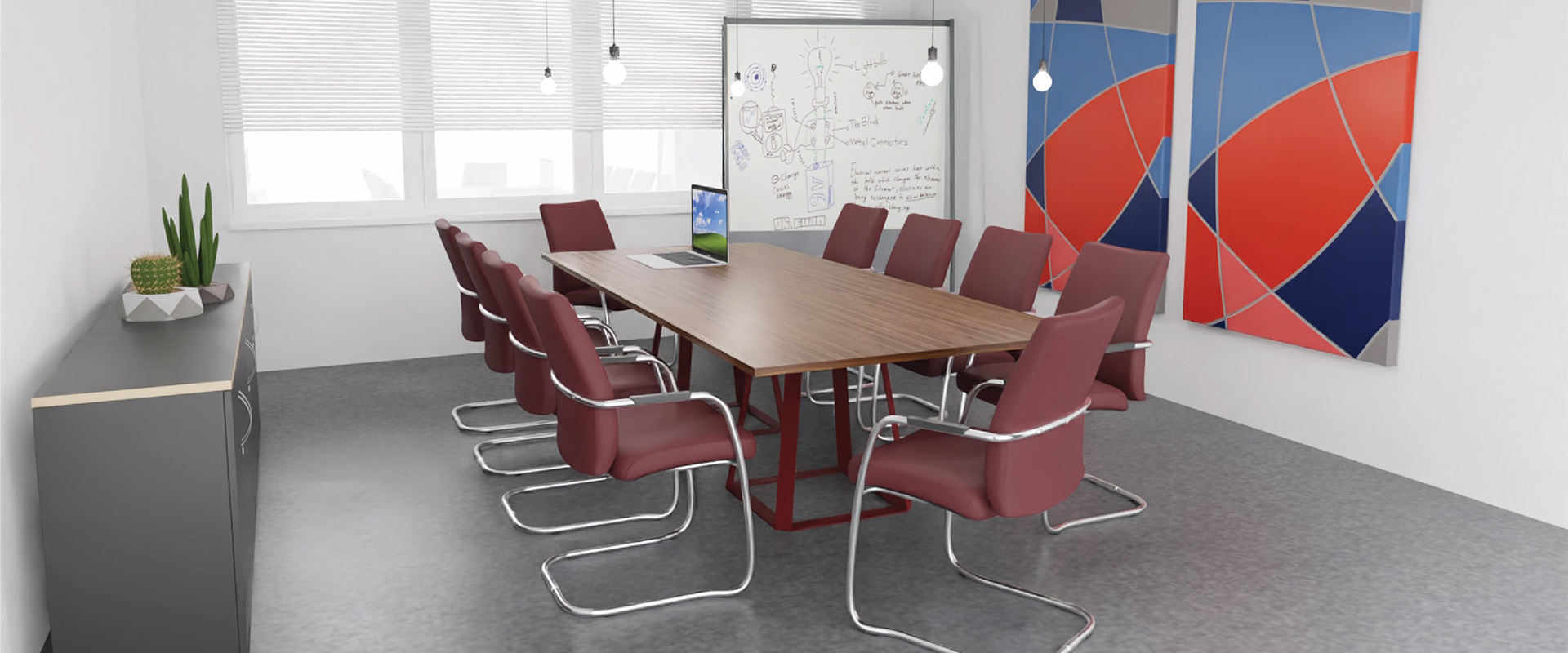
Office refurbishment is often the first step businesses take when their workspace no longer supports how their team works. Over time, layouts become inefficient, furniture shows wear, and technology falls behind modern expectations. A thoughtful office refurbishment helps organisations refresh their environment without necessarily moving premises.
Many companies refurbish their offices to improve productivity, support hybrid working, or simply create a space that employees enjoy using. A refurbishment can range from relatively simple improvements such as new furniture and lighting through to a complete transformation of layout and design.
Understanding what office refurbishment includes can help businesses plan the process more effectively and make better decisions about how their workspace should evolve.
Key Takeaways
- Office refurbishment improves the functionality, appearance, and efficiency of a workplace
- Projects can range from minor upgrades to large scale workspace redesigns
- Layout planning often forms the foundation of a successful refurbishment
- Furniture, lighting, technology, and acoustics are commonly updated
- Modern refurbishments focus on flexibility and employee wellbeing
- Professional planning helps minimise disruption and deliver better long term results

Channel Mechanics wanted a modern, adaptable office refurbishment reflecting their ethos, supporting current needs, and future growth.
What Is Office Refurbishment?
Office refurbishment refers to the process of improving or updating an existing workspace. Unlike moving into a brand new building, refurbishment works with the structure already in place and enhances it to suit modern working requirements.

Full modernisation of a 50 year old building for a leading supplier of specialised gas in Ireland.
Office Refurbishment vs Full Office Fit Out
An office refurbishment and a full office fit out are sometimes confused, but they are not quite the same thing.
A refurbishment usually focuses on improving an existing space. This might involve updating furniture, redesigning certain areas, installing new lighting, or refreshing finishes. The overall structure of the office often remains largely the same.
A full office fit out, on the other hand, typically starts with an empty or newly leased space and builds the entire working environment from the ground up. Walls, meeting rooms, and work zones may all be created during the process. Businesses considering a larger transformation may explore options such as a commercial office fit out depending on their needs.
Why Businesses Refurbish Existing Offices
There are many reasons organisations choose to refurbish their office rather than relocate.
Growth is a common factor. A company may have expanded since the office was originally designed, resulting in overcrowded workstations or a lack of meeting areas. Refurbishment allows the layout to be reconfigured to support the current team size.
Another major motivation is employee wellbeing. Older offices may lack natural light, comfortable furniture, or quiet spaces for focused work. A refurbishment can address these issues and create an environment that supports concentration and collaboration.
Cost is also a consideration. Refurbishing an existing space is often more economical than relocating to a new premises, especially when the current location is already convenient for staff and clients.
Office Layout Planning and Space Reconfiguration
One of the most important parts of an office refurbishment happens long before any furniture is delivered or walls are painted. Careful planning ensures the finished workspace actually improves how the team works day to day.
Analysing How the Current Workspace Is Used
Before making any changes, it is useful to understand how the office currently functions.
This often involves reviewing how teams interact with the space. Some areas may be underused while others feel constantly crowded. Meeting rooms may be booked all day, while open workspaces remain quiet.
Understanding these patterns helps identify where improvements are needed. Professional design teams often create layout plans or digital models to visualise how the office could function more effectively. Services such as workspace design and visualisation can make this stage much clearer for decision makers.
Creating Better Flow and Collaboration Areas
Modern workplaces place far greater emphasis on collaboration than offices designed 10 or 15 years ago.
Office refurbishment often introduces a wider variety of work settings. Instead of rows of desks, a well designed office may include project tables, informal meeting spaces, and comfortable seating areas where colleagues can gather naturally.
These environments help conversations happen more organically. Teams can share ideas quickly without needing to book a formal meeting room every time they need to discuss something.
Adapting Layouts for Hybrid Working
Hybrid working has changed how many offices are used.
Instead of every employee having a fixed desk, some businesses now operate with flexible workstations and shared spaces. This reduces unused desks while creating more room for collaboration and quiet work areas.
Refurbishment provides an opportunity to redesign the layout to suit these new patterns. Spaces may be adjusted to include focus rooms, informal meeting zones, or private work areas inlucding office pods and meeting booths
Interior Design and Workplace Aesthetics
While functionality is essential, appearance also plays an important role in workplace and office refurbishment. The visual character of an office affects how employees feel when they walk through the door each day.
Colour Schemes and Branding
Colours influence mood and perception more than many people realise.
An office refurbishment often introduces a fresh colour palette that reflects the organisation’s identity. Some companies incorporate their brand colours subtly through feature walls, furniture fabrics, or artwork.
These visual touches help reinforce company culture while creating a more engaging environment. Visitors and clients also gain a stronger impression of the brand when the workspace reflects a clear identity.
Materials, Finishes, and Textures
Modern office design often uses a mixture of materials to create visual interest.
Timber finishes, soft fabrics, acoustic panels, and textured wall surfaces can all contribute to a more welcoming workspace. These elements also serve practical purposes such as improving sound control and comfort.
Selecting the right materials ensures the office feels professional without becoming overly formal or sterile.
Creating a Comfortable and Welcoming Environment
Many older offices were designed with efficiency as the main priority. Comfort was sometimes overlooked.
An office refurbishment allows businesses to introduce softer elements that make the office more inviting. Comfortable seating areas, natural plants, and improved lighting can transform the atmosphere of the space.
Breakout zones or informal lounges also provide employees with areas to relax or have casual conversations. Many companies now include dedicated spaces, for example canteens and breakout areas, to encourage these interactions.
Furniture and Workspace Upgrades
Furniture plays a central role in office refurbishment. Upgrading workstations and seating can dramatically improve both comfort and productivity.
Ergonomic Desks and Office Chairs
Ergonomic furniture is one of the most common upgrades during refurbishment projects.
Height adjustable desks allow employees to alternate between sitting and standing throughout the day. This flexibility can help reduce fatigue and improve posture.
High quality office chairs with proper lumbar support also contribute to long term comfort. Employees who spend hours at their desks benefit greatly from furniture designed with ergonomics in mind.
Collaboration Areas and Breakout Spaces
Collaboration areas encourage teamwork and informal discussion.
Instead of relying entirely on meeting rooms, many refurbished offices include lounge seating, collaborative tables, or flexible seating zones. These areas allow teams to gather quickly for short conversations or brainstorming sessions.
Soft seating can play an important role here, offering comfortable environments that feel less formal than traditional boardrooms.
Storage and Organisation Solutions
Effective storage is another key consideration.
A cluttered workspace can quickly feel chaotic and distracting. Office refurbishment projects often introduce smarter storage solutions such as shared cabinets, personal lockers, or integrated shelving systems.
These features help maintain a tidy environment while ensuring employees still have easy access to the materials they need.
Flexible and Modular Furniture
Flexibility has become increasingly important in office design.
Modular furniture systems allow spaces to be reconfigured easily as teams grow or projects change. Tables can be combined for larger meetings or separated into smaller work zones.
This adaptability helps businesses avoid frequent redesigns and keeps the workspace relevant for longer.
Technology and Infrastructure Improvements
Modern offices rely heavily on technology, and office refurbishment often includes upgrading the underlying infrastructure that supports it.
Power, Data, and Connectivity
Reliable connectivity is essential in any workplace. Refurbishment projects may involve installing additional power outlets, improving cable management, or upgrading network infrastructure. These improvements help ensure employees can work efficiently without struggling to find available connections.
Wireless technology also plays a major role, allowing teams to move between spaces while staying connected.
Meeting Room Technology
Meeting rooms have evolved significantly in recent years. Video conferencing systems, interactive displays, and wireless presentation tools are now common features. These technologies allow remote participants to join discussions seamlessly.
Office refurbishment often includes updating meeting rooms with these tools so teams can collaborate effectively regardless of location.
Smart Office Features
Some office refurbishments introduce smart technology that enhances the workplace experience.
This may include automated lighting, occupancy sensors, or systems that monitor energy usage. These features help businesses reduce operating costs while creating a more responsive working environment.
Lighting, Acoustics, and Workplace Comfort
Comfort in the workplace depends on several environmental factors that are sometimes overlooked in older offices.
Improving Natural and Artificial Lighting
A refurbishment may involve maximising natural light by adjusting layouts or replacing solid partitions with glass panels. Natural daylight helps reduce eye strain and improves overall mood.
Artificial lighting is also carefully planned. Modern LED systems provide better illumination while using less energy than traditional fixtures.
Acoustic Panels and Sound Control
Noise can become a major challenge in open plan offices – conversations, phone calls, and general activity can quickly create a distracting environment. Refurbishment projects often address this issue by introducing sound absorbing materials.
Acoustic panels help reduce noise levels and improve concentration across the workspace.
Temperature and Air Quality
Air quality and temperature control also influence how comfortable employees feel. Improved ventilation systems and climate control can make a noticeable difference, particularly in larger offices. Fresh air circulation helps maintain a healthy environment and reduces the feeling of stuffiness that sometimes develops in older buildings.
Project Management and Installation
A successful office refurbishment requires careful coordination between several stages of planning and delivery.
Planning the Office Refurbishment Timeline
Every refurbishment project begins with a clear plan.
Design development, budgeting, and scheduling all take place before physical work begins. Establishing a realistic timeline helps ensure the project progresses smoothly.
Businesses often plan refurbishment work during quieter periods or phased stages to minimise disruption.
Managing Disruption During the Project
One of the main concerns for companies refurbishing their office is how the work will affect daily operations.
Experienced project teams carefully organise the process to keep disruption as low as possible. This might involve completing work in phases or temporarily relocating teams within the office.
Good communication throughout the project helps staff stay informed and comfortable with the process.
Installation and Final Adjustments
The final stage of refurbishment involves installing furniture, technology, and finishing touches.
Once everything is in place, small adjustments may be made to ensure the workspace functions exactly as intended. This stage often includes testing equipment, repositioning furniture, and fine tuning layouts.
How to Plan a Successful Office Refurbishment
Setting Goals and Budget
The first step is defining what the refurbishment should achieve.
Some businesses aim to improve productivity, while others focus on creating a more attractive workspace for staff and visitors. Clear goals help guide design decisions and keep the project focused.
Budget planning is equally important. Understanding financial limits early allows designers to recommend solutions that deliver the greatest impact.
Working with Designers and Fit Out Specialists
Professional guidance can make a significant difference to the outcome of a refurbishment project.
Workspace specialists understand how to balance layout planning, furniture selection, and technical requirements. Their experience helps ensure the final office functions effectively while remaining visually appealing.
Companies inlcuding iGate Interiors bring together design expertise, product sourcing, and project delivery to help businesses transform their workspaces in a practical and efficient way.
FAQs About Office Refurbishment
How long does an office refurbishment take?
The timeline depends on the scale of the project. Smaller refurbishments may take a few weeks, while larger redesigns could require several months. Detailed planning helps ensure the project stays on schedule.
What is the difference between refurbishment and renovation?
Office refurbishment focuses on improving an existing space through upgrades and redesign. Renovation often involves more extensive structural work, including significant alterations to the building itself.
Can an office refurbishment happen while staff are working?
Yes, many refurbishments are carried out in phases so businesses can continue operating. Certain areas may be completed one at a time to minimise disruption.
How much does office refurbishment typically cost?
Costs vary depending on the size of the office and the level of work involved. Furniture, technology upgrades, and layout changes all influence the final price.
What should be considered before starting an office refurbishment?
Businesses should review how their team uses the workspace, identify areas that need improvement, and establish a realistic budget. Clear planning ensures the refurbishment delivers long term value rather than temporary changes.

IGate’s design team meticulously worked to realise GoFundMe’s vision, creating a layout that adapts as the staff numbers grow.