
Office space planning is the process of organising a workplace so that it supports how people actually work. It involves more than placing desks and chairs. Done properly, office space planning considers flow, comfort, collaboration, and future growth, all while making the best use of available space.
For businesses of all sizes, strong office space planning can influence productivity, employee satisfaction, and even how clients perceive your company. Whether you are fitting out a new office or improving an existing one, taking the time to plan the space properly can make a noticeable difference from day one.
Key takeaways
- Office space planning improves how teams work and interact
- A well planned layout balances focus, collaboration, and comfort
- Flexibility is essential for future growth
- Good planning can reduce wasted space and unnecessary costs
- Professional input often leads to better long term results

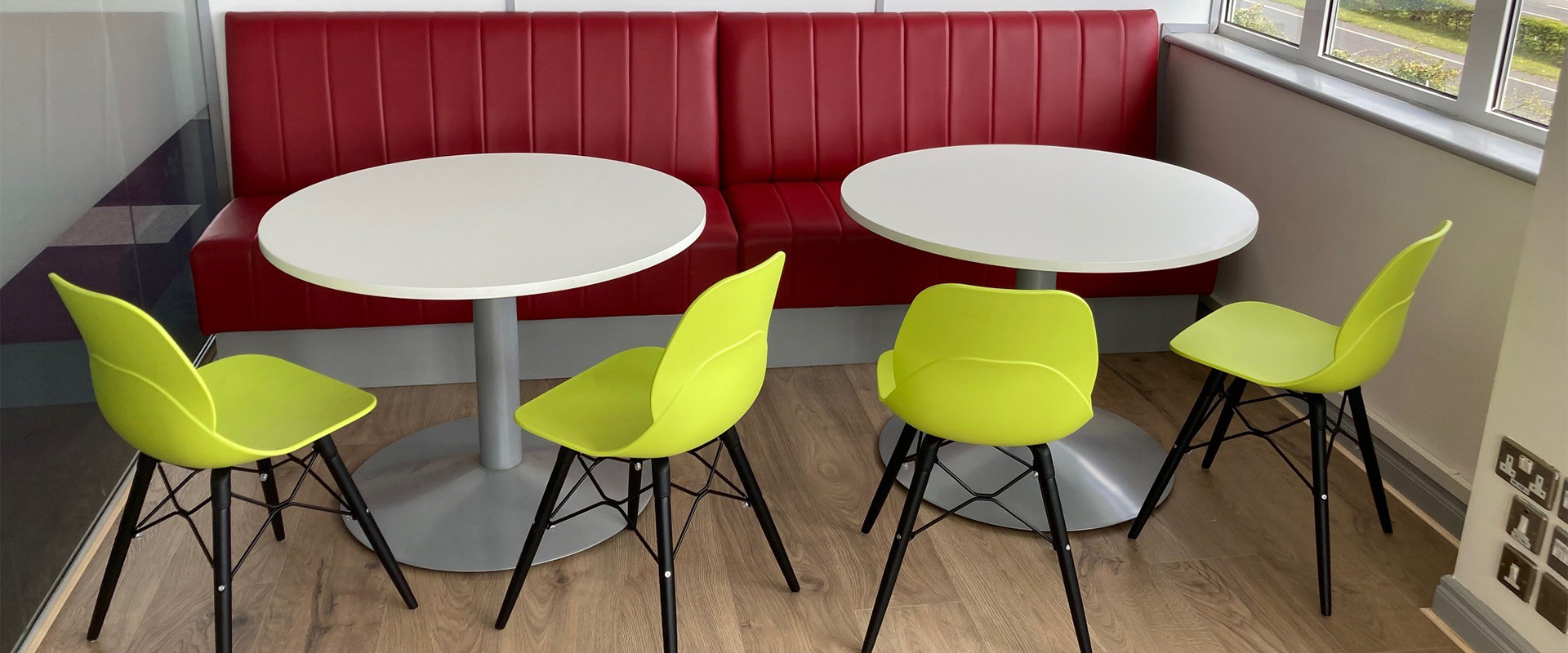
IGate’s office space planning team meticulously worked to realise GoFundMe’s vision, creating a layout that adapts as the staff numbers grow. The project included dedicated workspaces and collaborative areas, ensuring continuity with GoFundMe’s branding.
What is office space planning and why is it important?
A clear definition of office space planning
Office space planning is the strategic arrangement of furniture, zones, and circulation within a workplace. It focuses on how people move through the space and how different areas are used throughout the day. This includes everything from desk positioning to breakout areas, meeting rooms, and storage.
Rather than treating the office as a static environment, space planning looks at it as something dynamic. A well planned office supports a range of activities without feeling cluttered or restrictive.
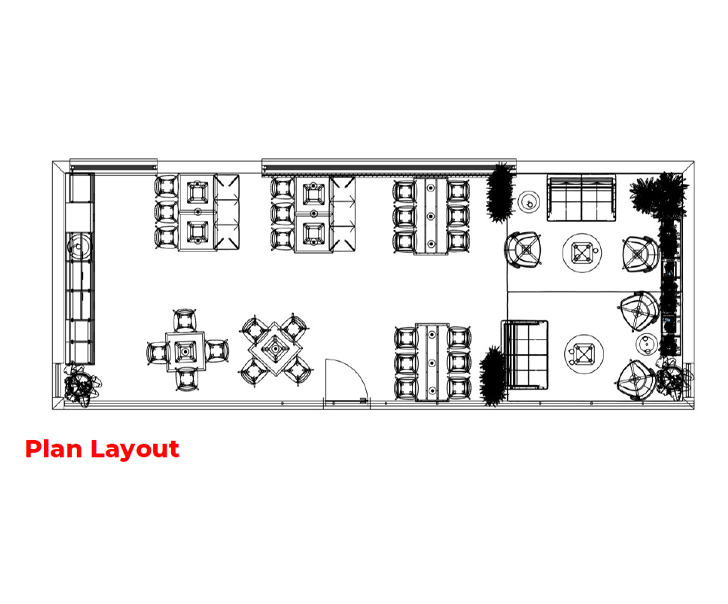
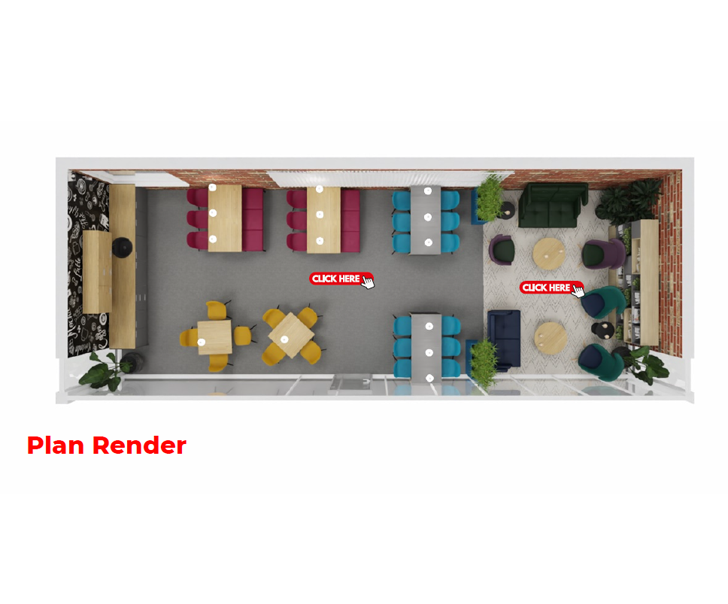
iGate interiors created 2D & 3D plans as part of their office space planning for The Courts Service of Ireland in Smithfield, Dublin.
How it influences day to day work
The layout of an office directly affects how people work. A poorly arranged space can slow down communication, create distractions, and even cause physical discomfort. On the other hand, thoughtful office space planning allows employees to move easily between tasks, collaborate when needed, and find quiet areas for focused work.
Small changes in layout can have a surprisingly large impact. For example, positioning teams closer together can improve communication, while separating noisy areas can reduce frustration.
The link between space planning and business performance
Office space planning is not only about aesthetics. It plays a role in overall business performance. When employees feel comfortable and supported by their environment, they tend to work more efficiently and stay engaged.
There is also a financial aspect. Making better use of space can reduce the need for expansion or unnecessary refurbishment. Businesses that invest in proper planning often find that their office works harder for them over time.
The key principles behind effective office space planning
Creating flow and movement throughout the office
A well planned office should feel easy to navigate. Clear pathways and logical layouts allow people to move freely without disrupting others. This is particularly important in busy environments where teams are frequently interacting.
Good flow also helps with safety and accessibility. It ensures that everyone can use the space comfortably, regardless of their role or needs.
Balancing collaboration with privacy
Modern offices need to support both teamwork and individual focus. Too much openness can lead to noise and distraction, while too many enclosed spaces can limit communication.
Office space planning should strike a balance between these two needs. This might include a mix of open desk areas, meeting rooms, and quiet zones where people can concentrate without interruption.
Making the best use of available space
Every office has its constraints, whether it is size, shape, or structural features. Effective planning works with these limitations rather than against them.
Clever use of furniture, storage, and zoning can help maximise usable space. Even smaller offices can feel spacious when they are organised thoughtfully.
Designing with flexibility in mind
Businesses change over time, and offices should be able to adapt. Flexible layouts allow for team growth, new working styles, and evolving technology.
This might involve modular furniture, movable partitions, or multi purpose areas that can be used in different ways throughout the day.
Supporting employee comfort and wellbeing
Comfort is a key part of any successful office. Office space planning should consider lighting, acoustics, temperature, and ergonomics.
When employees feel physically comfortable, they are more likely to stay focused and productive. Small details, such as access to natural light or quiet areas, can make a significant difference.
What should be included in a well planned office?
Workstations and desk areas
Workstations are the foundation of any office. They should be arranged to support both individual work and team collaboration.
Spacing is important here. Desks that are too close together can feel cramped, while too much distance can reduce communication. The right balance depends on the nature of the work.
Meeting rooms and collaboration zones
Meeting spaces are essential for teamwork, whether for quick discussions or formal presentations. These areas should be easy to access and appropriately sized for their purpose.
Including a variety of meeting spaces, from small rooms to larger boardrooms, can make the office more versatile.
Breakout spaces and informal areas
Breakout areas give employees a place to step away from their desks. They can be used for informal meetings, relaxation, or simply a change of scenery.
These spaces often help improve morale and encourage creative thinking. They also make the office feel more welcoming.
Storage, utilities, and overlooked essentials
Storage is often an afterthought, but it plays an important role in keeping the office organised. Poor storage can lead to clutter, which affects both appearance and productivity.
Utilities such as printing areas, kitchens, and restrooms should also be considered during the office space planning stage to ensure they are convenient and accessible
Popular office layout styles explained
Open plan environments
Open plan offices are designed to encourage collaboration and communication. They typically feature large shared spaces with minimal barriers between desks.
While this layout can work well for teamwork, it requires careful planning to avoid noise and distractions. Adding breakout areas and quiet zones can help create balance.
Private office layouts
Private offices offer enclosed spaces for individuals or small teams. They provide privacy and reduce noise, making them suitable for roles that require concentration or confidentiality.
However, too many private offices can limit interaction. A mix of private and shared spaces often works best.
Hybrid and activity based workspaces
Hybrid offices are becoming increasingly popular. These spaces are designed around different activities rather than fixed desks. Employees can move between areas depending on the task at hand.
This approach supports flexibility and can make better use of space. It also reflects the way many people now work, particularly in hybrid or remote setups.
The benefits of good office space planning
- Improved productivity and focus across teams
- More efficient use of available space
- Reduced need for costly changes later on
- Better employee satisfaction and retention
- A stronger impression for clients and visitors
A well planned office space does more than look good. It creates an environment where people can do their best work. Businesses often notice improvements in both performance and morale once their space is properly organised.
Common office space planning mistakes to avoid
Trying to fit too much into the space
Overcrowding is one of the most common issues. Attempting to include too many desks or features can make the office feel cramped and uncomfortable.
Leaving some space unused can actually improve how the office functions. It allows for better movement and reduces stress.
Ignoring lighting, acoustics, and comfort
Physical factors such as lighting and noise are sometimes overlooked during office space planning. Poor lighting can cause eye strain, while excessive noise can be distracting.
Addressing these elements early on can prevent problems later and create a more pleasant working environment, such as including breakout zones with soft seating.
Failing to plan for growth or change
An office that works today may not work in a year’s time. Failing to consider future needs can lead to costly adjustments down the line.
Planning with flexibility in mind helps ensure that the space remains effective as the business evolves.
How to approach office space planning step by step
Understanding your team and workflow
The first step is to understand how your team works. This includes identifying different roles, tasks, and communication patterns. Every business is different, so there is no one size fits all approach. The layout should reflect the specific needs of your organisation.
Auditing your current space
Looking at your existing office can provide valuable insights. Identify what works well and what does not. This might include areas that are underused or spaces that feel overcrowded. These observations can guide your planning decisions.
Setting clear goals and priorities
Before making changes, it is important to define what you want to achieve. This could be improving collaboration, increasing capacity, or enhancing employee wellbeing. Clear goals help keep the planning process focused and ensure that decisions are aligned with your objectives.
Testing layouts before committing
Trying out different layouts can help you find the best solution. This might involve sketches, digital plans, or even temporary rearrangements. Visual tools, such as those offered through our 2D & 3D Design Service, can make it easier to understand how the space will look and function.
Working with professional designers
While some businesses handle planning internally, working with experts can provide additional insight. Companies like iGate Interiors offer services such as office space planning, design, and project delivery through professional support can help avoid common mistakes and ensure that the final result meets both practical and aesthetic requirements.
When is the right time to rethink your office space?
Rapid business growth or restructuring
Growth often brings new challenges. More employees, new teams, or changes in structure can all affect how the office functions.
Reviewing your office space planning during these periods can help ensure that the environment continues to support your business.
Changes in working patterns such as hybrid work
The way people work has changed in recent years. Hybrid models, flexible hours, and remote work have all influenced office design.
Adapting your space to reflect these changes can make it more relevant and effective for your team.
FAQs about office space planning
What is office space planning in simple terms?
Office space planning is the process of organising a workplace so that it supports how people work. It focuses on layout, movement, and functionality rather than just appearance.
How much office space do you need per employee in Ireland?
This can vary depending on the type of work, but a common guideline is around 8 to 12 square metres per person. Modern flexible offices may use less space per employee by incorporating shared areas.
What is the difference between office space planning and office design?
Office space planning focuses on layout and functionality, while office design includes visual elements such as colours, materials, and branding. Both work together to create a complete workspace.
How much does office space planning cost?
Costs can vary depending on the size of the project and the level of detail required. Many businesses view it as an investment, as good planning can reduce future expenses.
Can office space planning improve productivity?
Yes, a well planned office can make it easier for employees to focus, collaborate, and move between tasks. This often leads to improved productivity and efficiency.
What is the best office layout for a small business?
Small businesses often benefit from flexible layouts that make the most of limited space. Open areas combined with a few quiet zones can provide a good balance.
Is office space planning worth it for growing companies?
For growing businesses, office space planning can help manage expansion more effectively. It allows the workspace to adapt without constant disruption.
How long does office space planning take?
The timeline depends on the size and complexity of the project. Smaller offices may be planned within a few weeks, while larger projects can take longer to fully develop.

Channel Mechanics sought a specialist office space planning team to design an office space that reflected their company ethos and accommodated current and future growth.