
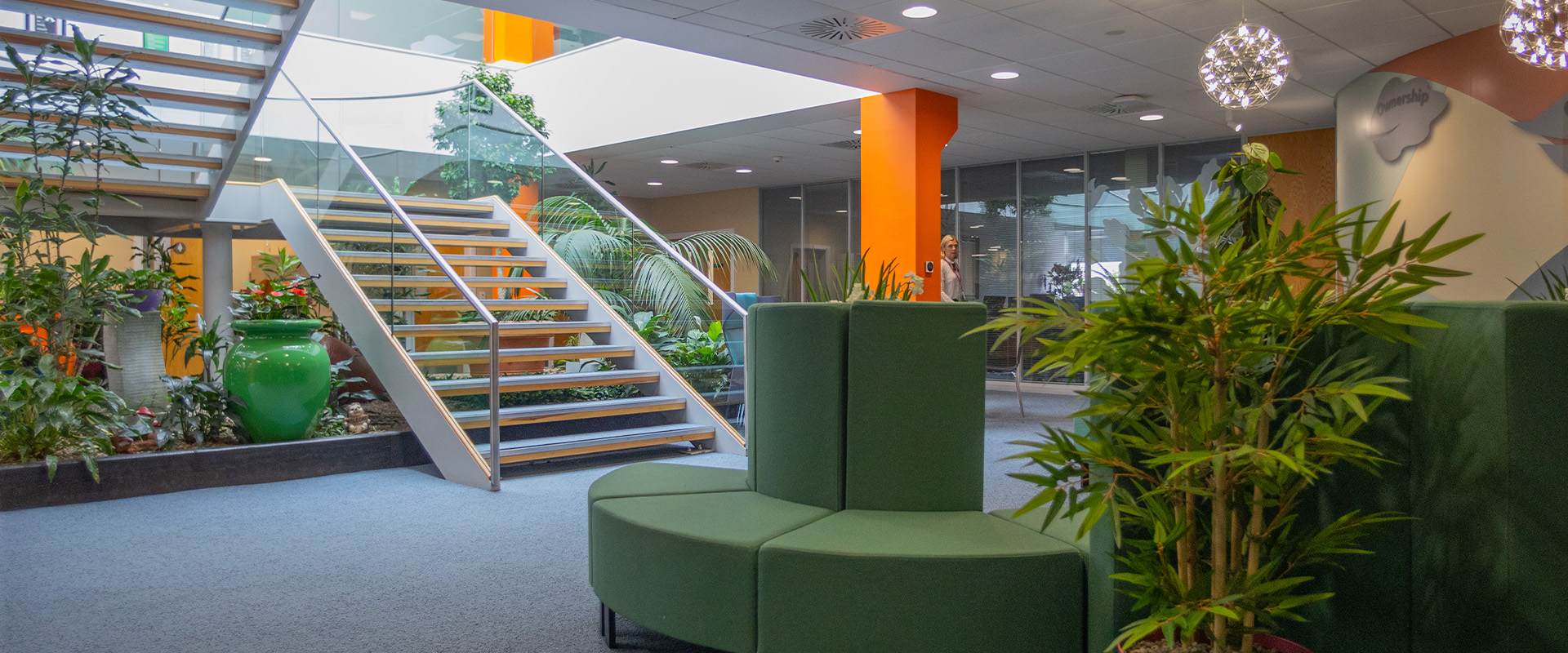
Office furniture has traditionally been judged on practicality. Desks needed to be sturdy, chairs needed to be ergonomic, and storage needed to be efficient. Comfort often came second. That mindset has shifted dramatically. Today, office furniture is expected to support wellbeing, collaboration, brand identity, and flexibility, all at once.
Among all the changes happening in workplace design, soft seating stands out as one of the most significant. Once limited to reception areas, it is now shaping the way entire offices function. From breakout zones to informal meeting spaces, soft seating is helping businesses create environments where people actually want to spend time.
Modern offices are no longer rows of identical desks. They are layered spaces that offer choice. Soft seating plays a central role in that transformation.
Key Takeaways
- Soft seating is now a core category within modern office furniture
- It supports wellbeing by encouraging movement and varied posture
- Informal seating areas improve collaboration and creativity
- Flexible layouts help future proof workplace design
- Soft seating enhances brand identity and first impressions
- Comfort and acoustics can work together in open plan offices
- Thoughtful planning ensures soft seating adds value rather than clutter

FBD Mullingar sought a comprehensive refurbishment of their Mullingar office, focusing on a modern aesthetic and functional workspace. They required custom furniture, new carpets, and signage, with a design incorporating their six core values.
Office Furniture Is No Longer Just About Desks
For many years, office furniture followed a predictable formula. Rows of desks, uniform task chairs, perhaps a boardroom table tucked away behind glass. It was efficient but rarely inspiring. The focus was on function, not experience.
That approach made sense in a world where employees worked fixed hours at fixed desks. The modern workplace no longer operates like that.

iGate interiors completed Phase 2 of a “Refresh Project”, for Calor Gas at their Group Head Office, on the Long Mile Road, in Dublin 12.
The Shift From Task Based Layouts to Experience Led Design
Workplace design has moved from task driven layouts to experience led environments. Employers have recognised that productivity is influenced by comfort, autonomy, and atmosphere. Staff want choice in where they sit and how they work throughout the day.
Soft seating supports this shift. A well designed lounge area offers an alternative to a desk without removing access to technology. It signals trust and flexibility. Rather than confining people to one posture for 8 hours, it allows movement and variety.
Experience led design does not mean sacrificing performance. It means recognising that comfort and productivity are closely connected.
Hybrid Working Has Redefined Expectations
Hybrid working has changed what people expect when they come into the office. If home offers comfort, quiet corners, and relaxed seating, then the office must provide something equally appealing.
Businesses have responded by investing in environments that feel welcoming and adaptable. Soft seating helps bridge the gap between home and workplace without compromising professionalism. It creates spaces where teams can gather informally, hold quick catch ups, or step away from a screen for a short discussion.
The office has become a destination rather than an obligation. Office furniture has had to evolve accordingly.
What Soft Seating Brings to a Modern Workplace
Soft seating is sometimes misunderstood as decorative rather than practical. In reality, it serves multiple functional purposes within office interiors.
More Than Just Sofas and Armchairs
Soft seating includes lounge chairs, modular sofas, high backed booths, ottomans, and upholstered benches. These pieces are designed specifically for commercial environments, with durable fabrics and supportive structures that withstand daily use.
Unlike traditional task chairs, soft seating encourages a different posture. It invites conversation and reflection. It provides comfort without the rigidity of desk based seating. When integrated properly, it complements other categories of office furniture rather than replacing them.
Creating Layers Within Open Plan Offices
Open plan offices can feel overwhelming without thoughtful zoning. Soft seating helps break up large floorplates into distinct areas. A cluster of lounge chairs can define a collaboration zone. A high backed sofa can create a semi private space within a busy environment.
These subtle divisions improve flow and reduce visual clutter. Employees can immediately understand the purpose of a space based on its furniture. Formal meeting tables suggest structure. Soft seating suggests informality and creativity.
This layering adds depth to the workplace rather than leaving it as one continuous sea of desks.
Supporting Wellbeing Through Thoughtful Design
Wellbeing is no longer a buzzword. It is a measurable factor in recruitment, retention, and overall performance. Office furniture plays a direct role in supporting it.
Encouraging Movement and Postural Variety
Sitting in the same position all day is rarely comfortable, even with high quality ergonomic chairs. Soft seating provides an alternative posture. Moving between a desk, a lounge chair, and a meeting booth reduces physical strain and keeps energy levels more balanced.
Offering varied seating options also empowers employees to choose what feels right for the task at hand. A relaxed posture might suit creative thinking. A structured desk might suit detailed work.
The key is variety. When office furniture supports movement, the entire workspace feels more dynamic
The Psychological Benefits of Softer Spaces
There is also a clear psychological effect. Soft textures, warmer colours, and upholstered surfaces contribute to a calmer atmosphere. In high pressure environments, this matters.
Stepping into a softly furnished breakout area can reduce stress and encourage open conversation. It creates a subtle sense of separation from more formal work zones. That shift in tone can improve communication and problem solving.
Even small additions such as a pair of lounge chairs near a window can change the mood of an office.
Collaboration Looks Different in 2026
Formal boardrooms still have their place. Strategic planning, client presentations, and confidential discussions often require structure. Yet many of the most valuable ideas no longer begin in those spaces. Modern collaboration is more fluid. It happens between meetings, during informal check ins, and in relaxed corners of the workplace.
Soft seating supports this shift by softening the environment itself. When the setting feels less rigid, behaviour changes. Conversations become more open. Hierarchies feel less pronounced. People are more willing to test ideas without the pressure of a formal setting.
Informal Conversations Drive Innovation
Some of the strongest ideas begin as passing comments. A quick conversation after a meeting can evolve into a new approach. Soft seating areas create a natural setting for these moments. They signal that not every discussion needs a booked room or a formal agenda.
Without the physical barrier of a large table, interaction feels different. Lounge chairs arranged in a small cluster encourage eye contact and ease. High backed seating provides enough enclosure to focus without isolating people entirely. That balance is important. It allows collaboration to feel spontaneous while still purposeful.
Innovation rarely thrives in rigid environments. It develops where people feel comfortable enough to share unfinished thoughts and build on each other’s ideas.
Flexibility Is Now a Business Priority
Organisations rarely stand still. Teams grow. Departments restructure. Working patterns shift. Office furniture must support that movement rather than restrict it.
Modular Seating That Evolves With Your Team
Modular soft seating allows layouts to change without significant disruption. A single configuration can be divided into smaller groupings. Individual elements can be repositioned to create new collaboration zones.
This adaptability reduces the need for frequent refurbishment. Businesses can refine their layout over time rather than committing to fixed arrangements that may not suit future needs. Modular thinking also extends beyond sofas and lounge pieces. Features such as office pods can be introduced as flexible, self contained zones that move with the organisation. Instead of building permanent walls, companies can add or reposition pods to create focused spaces within open plan layouts, maintaining agility while still supporting privacy and collaboration.
Supporting Hybrid Working Patterns
Hybrid working has altered how offices are used. Attendance fluctuates across the week. Some days require more collaborative space, while others demand quieter areas.
Soft seating offers elasticity. It provides touchdown areas for informal meetings on busier days and comfortable breakout spaces when occupancy is lower. Instead of rigid desk ratios, the office becomes a flexible environment that adapts to real usage.
Making Better Use of Overlooked Spaces
Not every part of a workplace suits rows of desks. Corners, transitional zones, and wide corridors are often underused simply because they were not designed with purpose in mind.
A compact lounge arrangement can activate an otherwise empty area. Upholstered benches can introduce function without obstructing circulation. These subtle interventions improve overall efficiency and reduce wasted space.
Soft Seating and First Impressions
Reception areas, waiting zones, and client facing spaces shape perception instantly. Office furniture in these areas communicates values before a word is spoken.
A Welcoming Yet Professional Atmosphere
Soft seating introduces warmth. It suggests thoughtfulness and attention to comfort. However, the balance must be carefully managed. Overly casual furniture can undermine credibility, while overly formal pieces may feel cold.
Structured lounge seating in durable fabrics often strikes the right tone. It maintains professionalism while making visitors feel at ease.
Expressing Brand Through Colour and Texture
Material choice carries meaning. Neutral palettes can suggest stability and calm. Rich colours can signal creativity and confidence. Texture adds depth and character.
Soft seating provides an opportunity to introduce brand elements subtly. Upholstery can echo brand colours without overwhelming the space. Thoughtful detailing ensures cohesion across the wider office interior.
Designing for Comfort Without Compromising Function
Comfort should not come at the expense of practicality. Seating depth, back support, and durability all influence long term performance. Commercial grade construction ensures the space remains inviting even with consistent use.
Integrating Reception With the Wider Fit Out
Reception design should not feel detached from the rest of the office. It should reflect the same design language found throughout the workplace.
For organisations investing in a broader Commercial Office Fit Out, soft seating becomes part of a cohesive narrative rather than a standalone feature. It links the first impression to the overall experience.
Choosing the Right Soft Seating
Selecting soft seating involves more than aesthetic preference. Performance, longevity, and layout planning all play a role.
Durability, Maintenance, and Long Term Value
Commercial environments demand robust materials. Stain resistant fabrics and strong internal frames protect investment over time. Maintenance requirements should be realistic for the size and usage of the office.
Planning, Layout, and Visualisation
Soft seating works best when it is integrated into a wider spatial strategy. Circulation routes must remain clear. Power access may influence placement. Sightlines across the floorplate should feel open rather than cluttered.
Through services such as a comprehensive 2D & 3D visual design serivce, businesses can test arrangements before committing. This removes uncertainty and ensures that soft seating enhances the workspace rather than disrupting it.
iGate Interiors often works with clients to identify where soft seating will have the greatest functional impact. The aim is always to ensure it feels purposeful, integrated, and aligned with the broader office furniture strategy.
Frequently Asked Questions
Is soft seating suitable for small offices?
Yes, when chosen carefully. Compact lounge chairs or modular units can create informal meeting points without overwhelming limited floor space. Thoughtful placement ensures that circulation remains clear while still offering variety.
Can soft seating replace traditional office furniture?
Soft seating complements traditional office furniture rather than replacing it entirely. Desks and ergonomic chairs remain essential for focused work. Soft seating provides alternative zones for collaboration and relaxation.
How durable is soft seating in busy workplaces?
Commercial soft seating is designed for high traffic environments. With the right fabrics and construction, it can withstand daily use while maintaining appearance and comfort.
Does soft seating improve productivity?
Indirectly, yes. By supporting wellbeing, encouraging collaboration, and offering varied work settings, soft seating contributes to a more balanced and engaging workplace.
What fabrics are best for office soft seating?
Durable, stain resistant, and easy to clean fabrics are ideal. The choice should reflect both practicality and brand identity.
How much soft seating should an office include?
There is no fixed formula. The right amount depends on team size, layout, and working style. A balanced mix of desks, meeting spaces, and soft seating typically delivers the best results.

GoFundMe partnered with IGate Interiors to design and furnish their new Irish office.
Soft seating is no longer an optional extra within office furniture. It has become a fundamental component of modern workplace design. By supporting wellbeing, enhancing collaboration, and adding flexibility, it helps offices function more effectively.
When thoughtfully planned, soft seating transforms spaces from purely functional environments into places where people feel comfortable, engaged, and motivated.