
Office canteen design has become an important part of creating a workplace people enjoy using. A canteen is no longer just a place to heat up lunch or grab a quick coffee. When planned well, it can support staff wellbeing, encourage informal conversations and make the office feel more welcoming.
A good canteen gives people somewhere to step away from their desks. It creates a clear break between work and rest, which matters in busy offices where lunch can easily become something eaten in front of a screen. The best office canteen design balances comfort, practicality and atmosphere, while still being durable enough for everyday use.
Whether you are planning a full fit out or improving an existing break space, the canteen should be considered as part of the wider workplace.
Key takeaways
- A good office canteen should be practical, comfortable and easy to use.
- Layout, seating, lighting and acoustics all affect how the space feels.
- Office canteen design can support wellbeing, culture and informal collaboration.
- The best canteens provide options for quick coffees, relaxed breaks and everyday lunches.
- Durable finishes, good storage and easy maintenance are essential in busy workplace canteens.
- The canteen should feel different from the main working area, giving staff a proper place to pause.


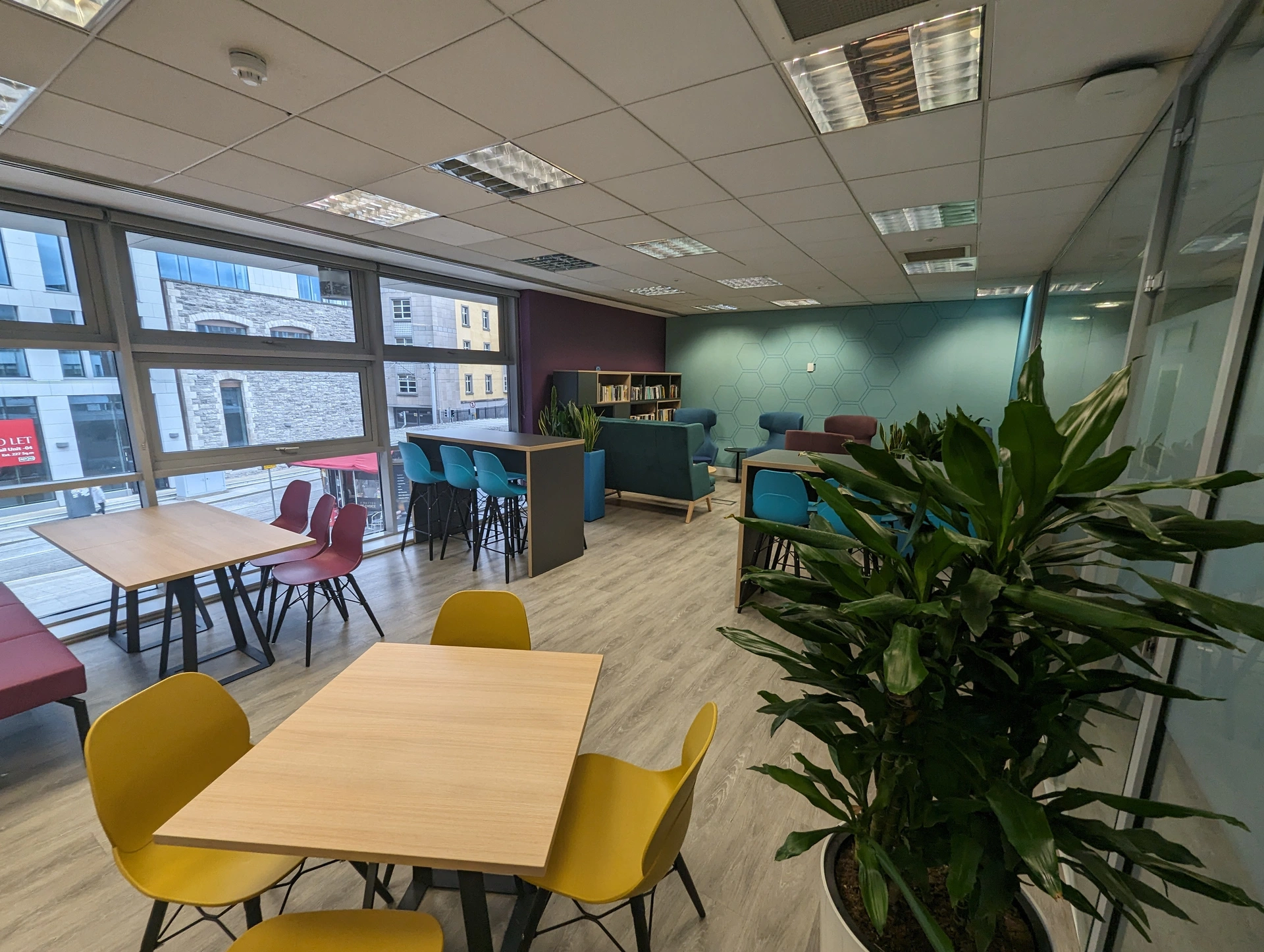
iGate Interiors transformed the workspace for HK International’s new global HQ in 2024. As part of this project, we designed and installed a bright and vibrant canteen space that integrated seamlessly with the rest of their office space.
Why Office Canteen Design Matters
Office canteen design is often treated as a practical requirement, but it can have a much bigger impact on the working day. Staff may only spend part of their time there, yet the quality of the space can influence how they feel about the office as a whole.
It gives staff a proper place to recharge
People need somewhere to switch off during the day. Without a suitable canteen or breakout area, lunch often happens at the desk, in a meeting room or in a space that was never really meant for breaks.
That can make the working day feel longer and more tiring. A good canteen gives staff a reason to leave their workstation, even if only for 15 minutes. Clean tables, comfortable seating and a calm atmosphere can make a simple lunch break feel much more restorative.
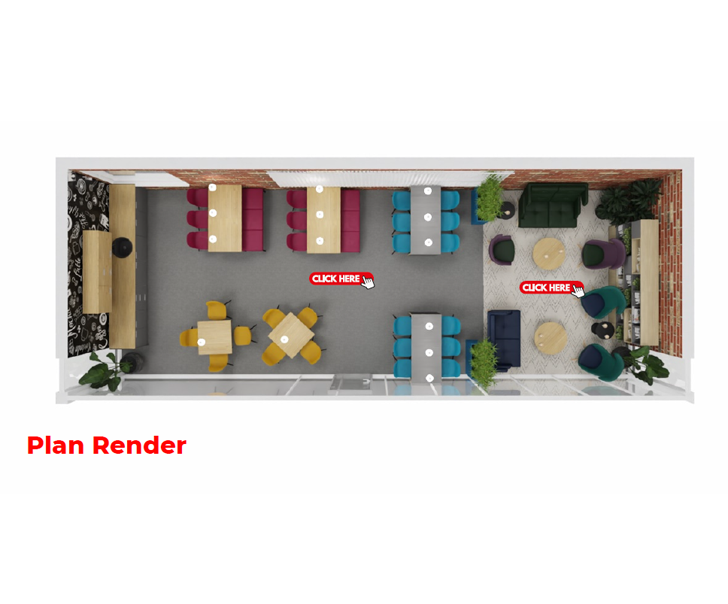

The Courts Service of Ireland sought to transform a corner of their large atrium space into a dedicated canteen area, separate from the main atrium, providing staff with a comfortable dining and relaxation space. They desired a blend of canteen seating and a relaxing/reading area, aiming for a versatile and inviting environment.
It supports workplace culture
Some of the best workplace conversations happen away from formal meeting rooms. A canteen gives people a shared space where informal chats can happen without needing to schedule anything.
This can help different teams mix more easily. It can also make the workplace feel more human, especially in larger offices where departments may not cross paths often. Good office canteen design quietly supports company culture by creating a space where people feel comfortable spending time together.
It helps the office feel worth coming into
Hybrid working has changed what people expect from the office. If staff are travelling in, the workplace needs to offer something useful, comfortable and social.
A canteen can be part of that. It gives people access to better shared facilities, a change of scene and the chance to connect with colleagues. When the canteen feels warm and well planned, it adds to the overall experience of the office.
Start with the Right Layout
The layout is one of the most important parts of office canteen design. A canteen can look good in photos, but if people are queueing awkwardly, struggling to move around or unable to find a seat at lunch, the design has missed the point.
Understand daily use before planning the space
Every workplace uses its canteen differently. Some offices have a steady flow of people throughout the day. Others have a clear lunchtime rush. Some canteens are used only for food, while others also support informal meetings, team updates or social events.
Useful questions include:
- How many people will use the space at peak times?
- Will staff bring food from home or buy lunch nearby?
- Are microwaves, fridges, coffee machines or vending areas needed?
- Will the canteen be used for company updates or events?
- Does the business need a relaxed social area as well as dining tables?
These answers shape the layout. A canteen for 20 people will need a different approach from one serving a large team across several departments.
Keep movement simple
Movement through the canteen should feel obvious. People should be able to enter, make a drink, heat food, dispose of waste and find a seat without crossing back and forth through the same tight area.
The busiest points are usually around microwaves, fridges, sinks, coffee machines, bins and water stations. These areas need enough space around them so staff can queue or pause without blocking the rest of the room.
Create simple zones
Zoning can make office canteen design feel more organised, but it does not need to be complicated. There may be an area for food preparation, a main seating area, a softer corner for coffee breaks and a few high stools for quick stops.
Furniture, lighting and flooring can help define these areas without adding walls. The space should still feel open and connected, not like a set of separate rooms.
Choosing Seating for Different Types of Breaks
Seating has a major influence on how people use an office canteen. If every seat is the same, the space can feel limited. Staff take different types of breaks, and office canteen design should support that variety.
Tables for everyday lunches
Standard canteen tables are still the foundation of most canteens. They are practical, familiar and easy to use. The important part is choosing tables that suit the space, staff numbers and expected use.
Large tables can encourage social eating and work well in busy canteens. Smaller tables offer more flexibility and may suit quieter teams. A mix of both often works best.
Spacing is just as important as the furniture itself. People need enough room to sit comfortably, pull chairs out and move around without feeling cramped. Surfaces should also be durable and easy to clean.
Softer seating for relaxed breaks
Softer seating can make a canteen feel more welcoming. Lounge chairs, upholstered benches, booths or relaxed breakout furniture create a different mood from the main dining area.
This type of seating works well for coffee breaks or informal conversations. It also gives staff somewhere to sit when they are not eating a full meal. The materials need to be suitable for a food environment and positioned away from the messier preparation areas where possible.
preparation areas where possible.
High stools and quick stop areas
Not every break needs a full table. High stools, breakfast bars and counter seating are useful for short stops. They work well near windows, kitchen islands or wall mounted counters.
These areas are helpful for staff who want to drink a coffee, make a quick call or have a brief chat without settling into a longer lunch.
Flexible furniture for changing needs
Many canteens need to do more than one job. The same space may be used for lunch, team briefings, training sessions or staff events.
Flexible furniture can make this easier. Lightweight tables, movable chairs and modular seating allow the layout to change when needed. This is especially useful if the business expects to grow or if hybrid working patterns continue to shift.
Making the Space Feel Comfortable
Comfort is what turns a basic canteen into a valued part of the workplace. The room needs to function well, but it should also feel like a genuine change from the desk area.
Use lighting to create a softer atmosphere
Office lighting is usually designed for focus and visibility. That is right for workstations, but a canteen needs a more relaxed mood.
Warmer lighting can make the space feel softer. Pendant lights over tables, feature lighting above counters or wall lighting can all help create a more comfortable atmosphere. Natural light is especially valuable where available.
Think carefully about acoustics
Canteens can become noisy very quickly. Conversations, chairs, cutlery, coffee machines and hard surfaces all add to the sound level.
If acoustics are ignored, the space can feel tiring rather than relaxing. Acoustic panels, softer finishes, upholstered seating and suitable ceiling treatments can help reduce echo. The aim is not to make the space silent. It should feel lively, but not harsh or disruptive.
Bring in colour and texture
A canteen is a good place to introduce warmth and personality. It does not need to match the main office exactly. In fact, it often works better when it has a slightly different feel.
Timber tones, plants, textured finishes, feature walls and softer materials can make the space more inviting. Brand colours can be used, but they should not overpower the room.
Practical Details That Make a Big Difference
The success of office canteen design often comes down to the practical details. These may not be the most exciting parts of the project, but they affect day to day use more than almost anything else.
Storage is a good example. Staff need places for mugs, plates, cutlery, tea, coffee, cleaning supplies and shared items. Without enough storage, worktops quickly become cluttered.
Bins and recycling points also need proper planning. They should be easy to find, but not placed where smells or mess will affect seating. Clear recycling stations can support better habits and keep the canteen tidier.
Appliance placement is another important detail. Microwaves, fridges, dishwashers, taps and coffee machines should be positioned so people can use them without creating bottlenecks.
Ventilation matters too. Food smells travel quickly through an office, especially in open plan spaces. Good ventilation helps keep the canteen fresh and prevents lunch smells drifting into work areas.
Flooring should be durable, safe and easy to clean. Worktops should handle regular use. Seating fabrics should be suitable for food areas. Power sockets may also be useful if the canteen doubles as a casual meeting or working space.
Office Canteen Design for Wellbeing and Collaboration
A canteen can support more than food and drink. It can help people feel better at work, connect with colleagues and step away from the pressure of the day. The best canteens give staff a shared space that belongs to everyone. They create small moments of calm, conversation and informal teamwork.
Encourage people to take proper breaks
Many people are not good at taking breaks. They eat at their desks, drink coffee while answering emails or work through lunch because there is nowhere else they want to go.
A well designed office canteen gives staff a more appealing alternative. When the space feels comfortable and easy to use, people are more likely to leave their desks and pause properly.
Support informal conversations
A casual chat over coffee can solve a problem, spark an idea or help colleagues build better relationships. These moments are difficult to force, but the right environment can encourage them.
Office canteen design should allow people to gather without feeling like they are in the way. Seating arrangements, circulation routes and the placement of coffee points can all influence how naturally people interact.
Balance social energy with quieter corners
A lively canteen can be positive, but not everyone wants a busy break every time. Some people prefer a quieter corner, especially during a demanding day.
Good office canteen design recognises different personalities and working styles. A few seats away from the main route, a meeting booth for smaller groups or a soft seating area can make the space more inclusive. Or possibly even consider an office pod for those who prefer a quieter and more private environment.
Common Office Canteen Design Mistakes to Avoid
Even well intentioned canteen projects can miss the mark. Most mistakes happen when appearance is considered before everyday use.
Treating the canteen as an afterthought
One of the most common mistakes is squeezing the canteen into whatever space is left over. This can lead to poor flow, limited seating and a room that never feels quite right.
The canteen should be planned as part of the wider office layout planning. Its location, size and connection to other areas all matter. If it is too far away, people may not use it. If it is too close to quiet work areas, noise can become a problem.
Choosing style over durability
A beautiful canteen is only successful if it can cope with daily use. Furniture, flooring, worktops and finishes need to handle food, drink, cleaning and heavy traffic.
Durable does not have to mean dull. There are plenty of materials that look warm and stylish while still being practical.
Forgetting about peak times
A canteen can look spacious when it is empty. The real test is lunchtime.
Design should consider the busiest moments of the day. Are there enough seats? Can people move around easily? Do queues block access to appliances? Is there enough room around bins and counters?
Planning an Office Canteen as Part of the Wider Workplace
A canteen should not be designed in isolation. It needs to work with the rest of the office interior, including desks, meeting rooms, reception areas and breakout spaces.
Connect the canteen to the rest of the office
Location has a big impact on how often people use the canteen. A space that is easy to reach will naturally become part of the working day. A space hidden away at the far end of the building may be used less, even if it looks good.
The canteen should be close enough to feel convenient, but placed carefully so noise and food smells do not affect focused work areas. It can also work well near other shared spaces, such as breakout areas, informal meeting zones or outdoor terraces.
Use design visuals before committing
Office layouts can be difficult to judge from a flat plan alone. This is especially true for canteens, where movement, spacing and atmosphere are so important.
2D layouts, 3D visuals and VR previews can help businesses understand how the finished space will work before anything is installed. They make it easier to test seating arrangements, review circulation and see how materials will feel together.
This is where working with an experienced office design partner such as iGate Interiors can be helpful. Visual planning can give teams more confidence before committing to the final office canteen design.
Think about future flexibility
Workplaces change. Team numbers grow, hybrid working patterns shift and the way people use shared spaces can evolve.
A canteen should be designed with some flexibility in mind. Movable furniture, adaptable layouts and sensible service planning can make future changes easier. Future flexibility does not mean trying to make the space do everything. It means making sensible choices that give the business room to adjust later.
Final Thoughts
Office canteen design is about much more than adding tables, chairs and a coffee machine. It is about creating a space where people can step away from work, enjoy proper breaks and connect with colleagues in a relaxed setting.
The best canteens are practical, comfortable and easy to use. They have enough seating, clear movement, good lighting, suitable acoustics and durable finishes. They also feel different from the main working area, which helps staff properly switch off.
For businesses planning an office fit out or refurbishment, the canteen deserves proper attention from the start. When it works well, it becomes one of the most valuable spaces in the office.

Having areas with soft seating as well as the traditional office canteen chairs and tables creates a dynamic, versatile office space for employees to use. For example this area in FBD Mullingar’s canteen is perfect for a coffee and an informal chat.
FAQs
What should be included in an office canteen?
An office canteen should usually include seating, tables, food preparation areas, fridges, microwaves, water access, bins, recycling points, storage, good lighting and suitable ventilation. The exact requirements will depend on the size of the team and how the space is used each day.
How do you design a small office canteen?
Small office canteen design should focus on efficient use of space. Compact tables, wall mounted storage, bench seating and clear circulation can all help. It is important to avoid overcrowding the room with furniture or appliances.
Why is office canteen design important?
Office canteen design is important because it affects staff wellbeing, comfort and workplace culture. A well designed canteen encourages people to take proper breaks, spend time away from their desks and connect with colleagues more naturally.
What is the difference between a canteen and a breakout area?
A canteen is usually focused on eating, drinking and food preparation. A breakout area is often more flexible and may be used for informal work, quick meetings, relaxed conversations or short breaks.
How can you make an office canteen feel more welcoming?
You can make an office canteen feel more welcoming by using comfortable seating, warmer lighting, softer finishes, plants, colour and good acoustic treatment. The layout should feel open and easy to use, with enough space for people to move around comfortably.