
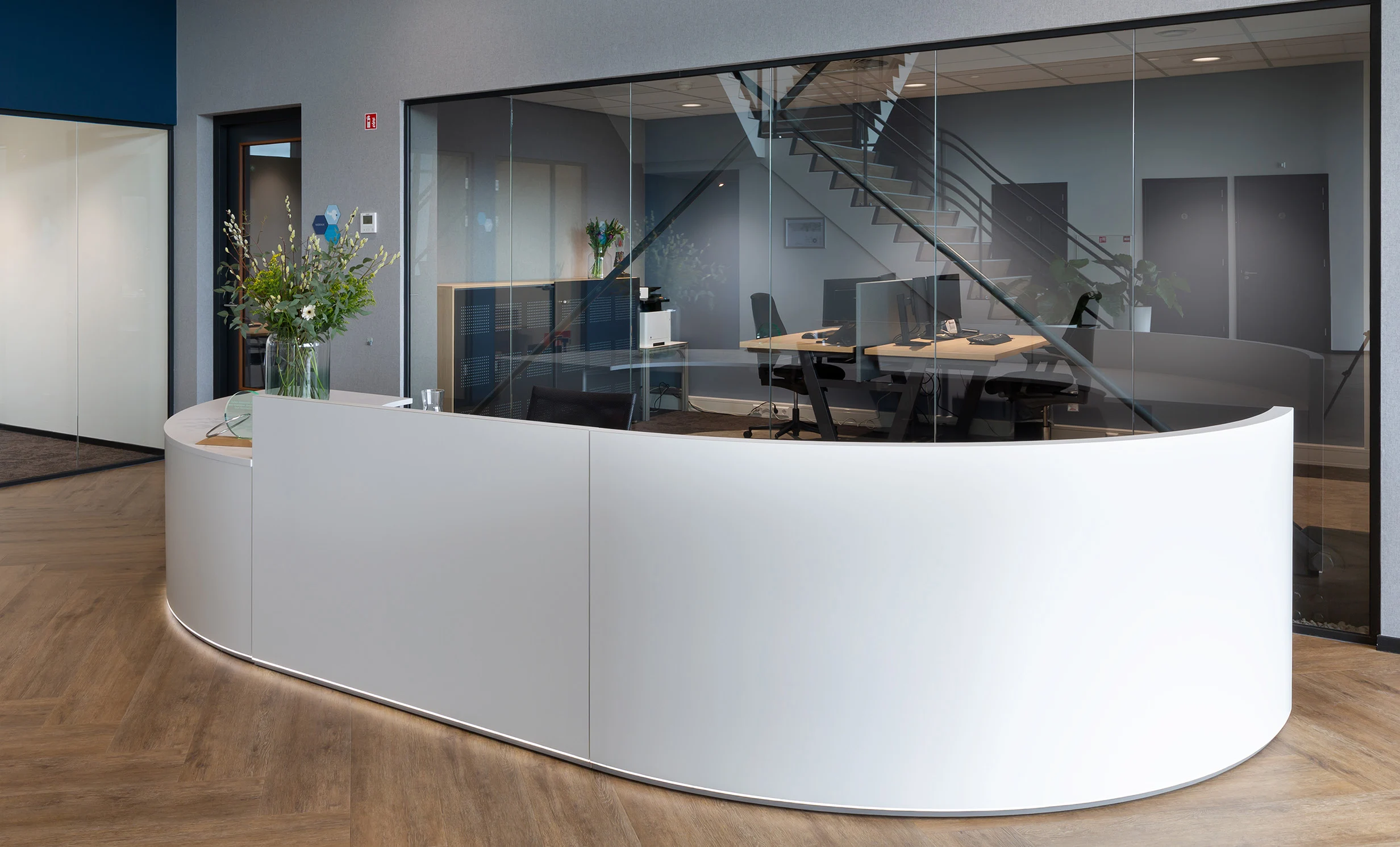
Planning an office fit out can feel like opening a very large box of decisions. Layout, budget, furniture, lighting, storage, meeting rooms and staff expectations all arrive at once. The best approach is to slow the process down at the beginning, before anyone starts choosing chair fabrics or arguing about where the coffee machine should live.
A good plan helps you create a workplace that supports how your team actually works. It also reduces costly changes later, because the biggest decisions have been agreed before orders are placed or installation begins.
Key Takeaways
- Start with business goals, not furniture choices.
- Review how your current office is used before planning the next one.
- Set a clear budget early and keep a small allowance for changes.
- Use 2D plans, 3D visuals or VR previews to understand the layout properly.
- Balance desks with meeting rooms, quiet areas, office storage and breakout space.
- Plan the project timeline around lead times, approvals and staff disruption.
- Keep communication simple, with one clear person signing off decisions.

Phase 2 of Calor Gas’s refresh project was completed by iGate Interiors in July 2025, transforming key areas of their Group Head Office in Dublin
Start With The Reason For The Fit Out
Before the floor plan appears, the first question is simple. Why are you doing the project?
Some businesses plan an office fit out because they are moving into a new space. Others have outgrown their current layout, need to support hybrid working or want the office to feel more professional for clients and staff. Each reason leads to different decisions.

A 3D rendered plan of an office fit out we completed for the Courts Service of Ireland as part of Atrium refurbishments featuring enhanced eating and relaxation areas.
Define What The Office Needs To Achieve
Write down the main outcomes before you think about finishes. You may want to improve collaboration, reduce noise, add more meeting areas, create a better staff canteen or make the entrance more welcoming.
This gives the project a useful filter. When decisions start to pile up, you can ask whether each choice supports those goals. If it does not, it may be nice to have, but not essential.
Look At How Your Team Works Now
The current office usually tells you a lot. Notice where people naturally gather, which rooms are always booked and which areas are barely used. Empty corners, cluttered desks and meeting rooms being used for calls are all clues.
A proper office fit out should be based on real behaviour, not an ideal version of how everyone might work on a particularly organised Tuesday. Staff feedback helps too. Ask what slows people down and what would make the office easier to use.
Set A Practical Budget Early
Budget planning is not the most glamorous part of an office fit out, but it is one of the most important. It affects the specification, the phasing, the furniture, the finishes and the overall level of change.
A realistic budget also helps your fit out partner recommend the right solutions from the beginning. iGate Interiors can support this kind of early planning across design, sourcing and delivery.
Understand The Main Cost Areas
The budget may need to cover space planning, design, furniture, installation, flooring, decoration, power, data, office lighting, storage and meeting room elements.
Separate must haves from nice to haves. Good task chairs and a workable layout may matter more than a dramatic feature wall, even if the wall is trying very hard to be interesting.
Keep A Contingency For Changes
Even with careful planning, a small allowance for changes is sensible. Services may need adjusting, a product may change lead time or a layout decision may need a final tweak. A contingency does not mean expecting problems. It means avoiding panic if something needs to move slightly.
For more detail, the guide to office fit out costs is a useful next step.
Build The Layout Around Real Work
The layout is where the office fit out starts to become real. A strong layout supports focus, movement, teamwork and comfort. A poor one can make even expensive furniture feel wrong.
Get The Space Plan Right First
Space planning should come before product selection. Decide where teams will sit, how people will move through the space, where visitors will arrive and where shared facilities will go.
This stage should also consider storage, printer areas, lockers, meeting rooms, quiet zones and breakout spaces. It is much easier to adjust these on a plan than after furniture has arrived.
2D and 3D office design can help people understand the proposed space before committing.
Balance Open Space With Privacy
Open plan offices can work well, but only when they include places to step away. People need areas for focused work, confidential conversations, video calls and quick meetings.
This may involve meeting booths, smaller rooms, acoustic screens or quieter seating areas. Without these options, the office can become noisy and tiring.
Plan Shared Areas Properly
Breakout areas, canteens and soft seating are not extras to squeeze in at the end. They affect how people use the office day to day, from informal meetings to lunch breaks.
Canteen and breakout spaces should be positioned carefully, especially if noise or food smells could disturb nearby desks.
Allow Room For Movement
Walkways, access routes and space around desks are easy to overlook when planning an office fit out. A layout might look efficient on paper, but it still needs to feel comfortable when people are moving around, opening storage, pulling out chairs or passing through shared areas.
Good circulation helps the office feel calmer and easier to use. It also reduces bottlenecks around busy points such as entrances, office printers, kitchens and meeting rooms.
Choose Furniture And Finishes With Care
Furniture is often the part people notice first, but it should follow the plan rather than lead it. The best choices are comfortable, durable and suited to the way each area will be used.
Prioritise Comfort Where People Spend Time
Task chairs, desks and meeting chairs need to support people properly. A smart looking office is not a success if staff are uncomfortable by 11am.
Think about desk sizes, monitor use, chair adjustment, sit stand options and cable management. These details make a big difference once the office is in use.
Match Finishes To Daily Use
Flooring, wall finishes, fabrics and worktops should suit the level of traffic in each area. Reception areas, canteens and collaboration spaces often need tougher finishes than quieter rooms.
Brand colours can be used, but they do not need to take over the building. A little restraint usually works better.
Remember Acoustics, Lighting And Storage
Acoustics and lighting are easy to underestimate. Hard surfaces, high ceilings and open layouts can make sound travel. Poor lighting can cause glare or make the office feel flat.
Storage also needs proper thought. If there is nowhere for paperwork, coats or shared equipment to go, clutter will find its own home. It usually chooses the worst possible place.
Acoustic panels can be a useful part of the plan where noise control is a key concern.
Use Visuals Before You Commit
Not everyone can understand a floor plan at a glance. Visual tools help stakeholders see what the office fit out will look and feel like before work begins.
Review 2D Plans Carefully
A 2D plan shows the logic of the space. It helps you review desk numbers, walkway widths, room positions and furniture sizes. Spend time on this stage, because problems can be spotted early.
Check whether people can move easily, whether doors swing into awkward places and whether shared areas are close enough to be useful without becoming disruptive.
Use 3D Or VR For Better Sign Off
3D visuals and VR previews can make the design easier to understand, especially when several people need to approve it. Virtual reality office previews can help show scale, finishes and flow in a more realistic way.
Plan The Project Delivery
Once the design, budget and product choices are agreed, the focus moves to delivery. This is where clear planning protects the project from avoidable delays.
Agree The Timeline And Key Dates
Set out the main milestones, including design sign off, product ordering, enabling works, installation and handover. Make sure lead times are understood before agreeing move dates or staff communications.
If the office needs to stay open, the project may need to be phased. That can work well, but it needs careful planning so teams know where they will sit and how disruption will be managed.
Keep Decision Making Clear
Every office fit out needs a clear decision route. If too many people can approve, reject or change things, the project slows down quickly.
Choose 1 main contact and agree who has final sign off on cost, design and schedule. Staff do not need every detail, but they do need to know what is happening and when.
A successful office fit out starts well before the first desk is installed. The strongest projects begin with clear goals, honest feedback, a realistic budget and a layout that supports real work. Office fit out support can help turn those early decisions into a workplace that feels considered and practical.
FAQs
How long does it take to plan an office fit out?
It depends on the size and complexity of the project. A smaller office may only need a few weeks of planning, while a larger office fit out may need longer for design, approvals, furniture choices and scheduling.
What should be included in an office fit out plan?
A good plan should include the project goals, budget, space plan, furniture requirements, meeting areas, storage, acoustic needs, power and data points, timeline and installation approach. It should also include who will approve decisions.
How much does an office fit out cost?
The cost depends on the size of the office, the level of specification, the amount of furniture required and the complexity of the work. Flooring, lighting, acoustic products, meeting rooms and installation can all affect the final figure.
Do I need a designer for an office fit out?
An office interior designer can help you make better use of the space and avoid expensive mistakes. They can plan layouts, suggest suitable furniture, improve flow and show how the office will look before work begins.
How do you plan an office fit out for hybrid working?
Start by understanding how often people come into the office and what they come in to do. Hybrid offices often need fewer fixed desks, but better collaboration spaces, quiet areas, meeting booths and shared facilities.
What is the difference between an office fit out and office refurbishment?
An office fit out usually involves preparing or creating a workspace, often with new layouts, furniture, finishes and services. A refurbishment usually updates or improves an existing office. In practice, the 2 can overlap.
When should furniture be chosen during an office fit out?
Furniture should be chosen after the layout and main requirements are clear, but early enough to allow for lead times. Good planning helps the layout, product choice and delivery work together.

A plan for an office fit-out was brought to fruition by iGate Interiors for GoFundMe’s European headquarters in Dublin